I was having coffee with a founder from San Francisco last Tuesday in a Ginza hotel lobby. He'd spent the last decade operating between the US and Chinese tech ecosystems, and he looked tired in a way that had nothing to do with jet lag.
"The next trade war," he said, stirring his coffee slowly, "won't be about chips. Or cars. Or steel." He looked up. "It'll be about AI that's priced so low it's basically free. And by the time we notice, we'll already be colonized."
I sat with that for a long moment. Because I realized I'd seen the playbook before. I just hadn't recognized the new uniforms.
The Steel Autopsy
For twenty years, China built the largest steel production capacity in human history. Furnaces the size of city blocks. Entire towns built around mills. Bank loans, political careers, local GDP—all tied to the glow of the blast furnace.
Then domestic real estate cooled. Internal demand cratered. But you can't just turn off a steel mill. A blast furnace isn't a light switch; it's a living thing that dies if you let it go cold. The political and economic cost of shutting down was too high. So they kept producing, even at a loss.
Millions of tons of excess steel flooded overseas markets at prices that made no economic sense. American mills—burdened by higher labor costs, environmental standards, capital expenses—couldn't compete with subsidized, below-cost imports. By the time Washington slapped anti-dumping tariffs on the metal, the damage was irreversible. The local supply chain was already dead.
And even then, the steel just mutated. Washed through third-party countries, relabeled, slipped past the tariffs like water around a rock.
The 2026 Mutation
Now replace steel with AI.
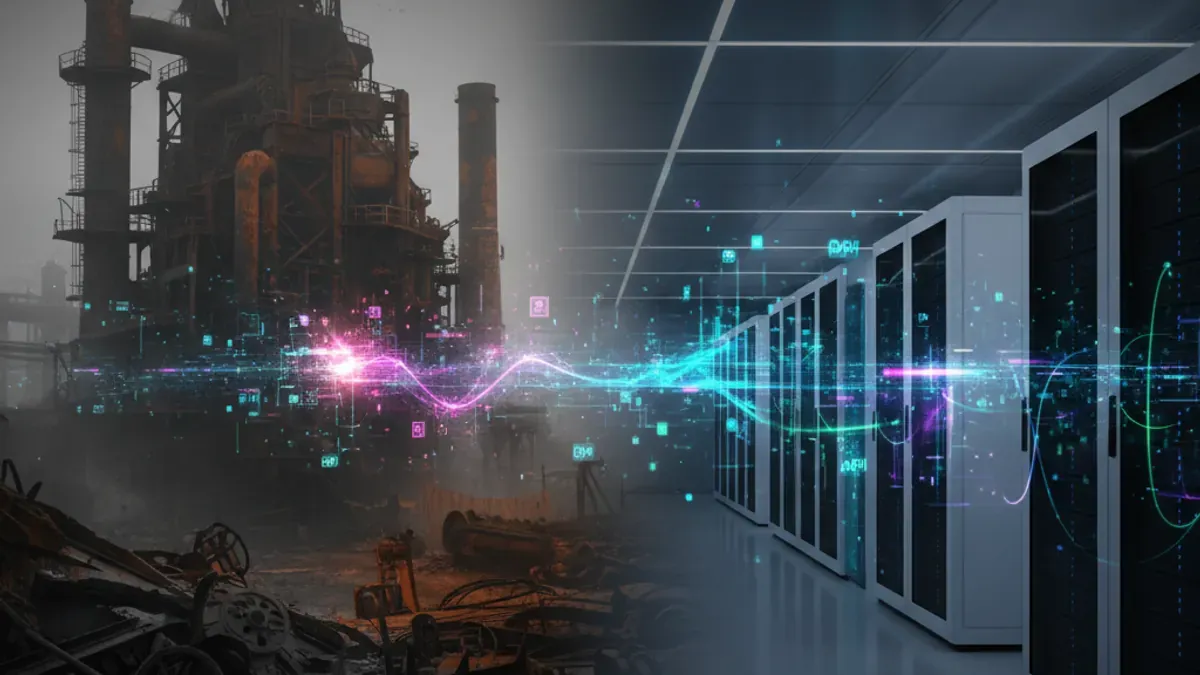
The blast furnaces are data centers. The ingots are foundational models, API endpoints, compute credits, open-source weights. For three years, massive amounts of venture capital and state-backed funding have poured into building AI infrastructure. The largest training clusters in history. The most expensive models ever created.
But what happens when the domestic market can't absorb them all? When enterprise adoption is too slow, too cautious, too regulated to generate the revenue needed to sustain these engineering teams and server farms? The capital is already sunk. The models are already trained. The salaries are already paid.
You can't just turn off a data center. Not when it's the heartbeat of your tech strategy, your political narrative, your national pride.
So the excess capacity gets exported.
The Weaponization of Free
Here's why AI dumping is infinitely more dangerous than steel dumping: zero friction.
Steel is physical. You can see it coming. You can track cargo ships, monitor ports, impose tariffs at the border, inspect containers. The threat is visible.
AI requires none of that. You cannot slap a tariff on a webhook. You cannot blockade an API call. The marginal cost of serving a model to an overseas developer is practically zero, and the delivery is instantaneous.
AI dumping won't look like a fleet of cargo ships. It'll look like a gift.
Incredibly powerful open-source model weights, released for free. API pricing that's aggressively, irrationally cheap—cheaper than the electricity cost should allow. Free cloud credits handed to universities. Enterprise suites given to startups with no strings attached. A "partnership" that puts the foundation model at the center of your digital transformation.
In the short term, everyone celebrates. Startups build faster. Corporations cut costs. CTOs get promoted for reducing the AI budget by 80%. The market loves a bargain.
The Boiling Frog
But this is the classic trap.
When your entire innovation layer—your customer service agents, your internal data routing, your product features, your competitive moat—runs on someone else's subsidized foundation model, their cloud architecture, their API ecosystem, you aren't using a tool anymore. You've developed a fatal dependency.
Because the pricing is artificially low, local AI competitors starve. They can't raise capital when investors ask "why would I fund you when the incumbent is free?" They can't compete on price when the competitor is selling below cost. They die quietly, one by one, until there's no local ecosystem left.
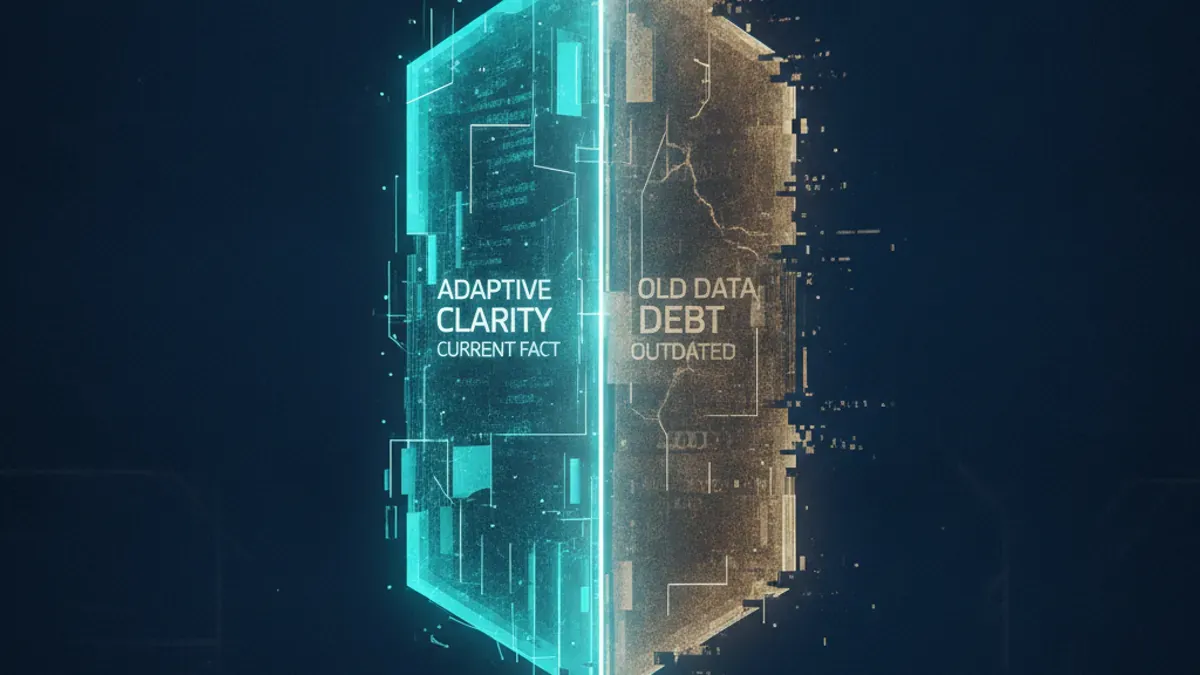
Once the domestic competition is destroyed and you're entirely locked into the foreign architecture, the rules change. The free credits dry up. The API pricing "adjusts to reflect market conditions." The terms of service evolve. And because your entire digital infrastructure is now built on their substrate, you can't migrate without tearing your company apart.
You didn't adopt a technology. You became a colony.
The Cheapest Thing Is the Most Expensive
There's an old business adage I keep coming back to: the cheapest things are often the most expensive.
Steel dumping destroyed physical factories. AI dumping will destroy something harder to rebuild: data sovereignty, local development habits, proprietary standards, and the fundamental architecture of independent enterprise.
When a vendor offers you infinite compute for pennies on the dollar, don't celebrate. Ask who is subsidizing that cost, and what they plan to extract once you can no longer operate without them.
Own your data. Own your middleware. Build on open standards that you can migrate away from. Maintain a local option even if it's more expensive today—because the day you need it, it may no longer exist.
The trade war isn't coming. It's already here. It just doesn't look like a blockade. It looks like a generous offer you can't refuse.
— James, Mercury Technology Solutions, Tokyo, May 2026