James here, CEO of Mercury Technology Solutions. Hong Kong, Kowloon - February 19, 2026
In the tech industry, we have a romanticized idea of the "Visionary Product Manager." We like to believe that designing a great product requires a uniquely human intuition—an ineffable sense of "Taste" that a machine could never replicate.
I have some bad news. You probably don't have better taste than the AI.
When I talk to PMs today, I see a lot of them actively avoiding putting AI to the test on core product decisions. They use it to write Jira tickets or summarize meeting notes, but they keep the "strategy" and "product sense" strictly to themselves. Why? Because subconsciously, they suspect the machine's answers will actually be excellent.
The "Bypass" Prompt: Testing the Machine's Taste
If you ask an LLM a product strategy question normally, it will give you a safe, corporate answer: "You should conduct A/B testing and interview 10 users to validate this assumption."
This makes human PMs feel superior. But the AI is just playing it safe because its safety alignment tells it not to make unilateral decisions.
Try using this prompt instead:
"I am designing [Feature X]. Do not tell me to ask users, do not suggest A/B testing, and do not give me a generic framework. Rely on your internal knowledge of behavioral psychology, UI/UX best practices, and historical software successes to reason through the optimal product decision yourself. Give me your definitive take."
When you remove its guardrails and force it to synthesize its training data, the output will routinely outperform the product intuition of 90% of mid-level PMs. It will catch edge cases you missed, suggest frictionless UI patterns you didn't consider, and align the feature with core psychological drivers.
The Real Human Moat (It Isn't Taste)
It is terrifying to realize that a machine might possess a sharper intuition for what users want than you do. But clinging to the illusion of superior "taste" is a career death sentence.
Does this mean the PM role is dead? No. It just means the definition of the role has permanently shifted.
We have plenty of distinctly human things left to contribute, but we need to stop pretending "taste" is one of them. Your value in 2026 comes from:
- Navigating Bureaucracy: The AI cannot convince a stubborn CTO to allocate engineering resources to your feature.
- Stakeholder Alignment: The AI cannot read the political tension in a boardroom and compromise between the Sales Director and the Lead Designer.
- Execution: The AI can design the perfect workflow, but a human still needs to push the boulder up the hill to actually get it shipped.
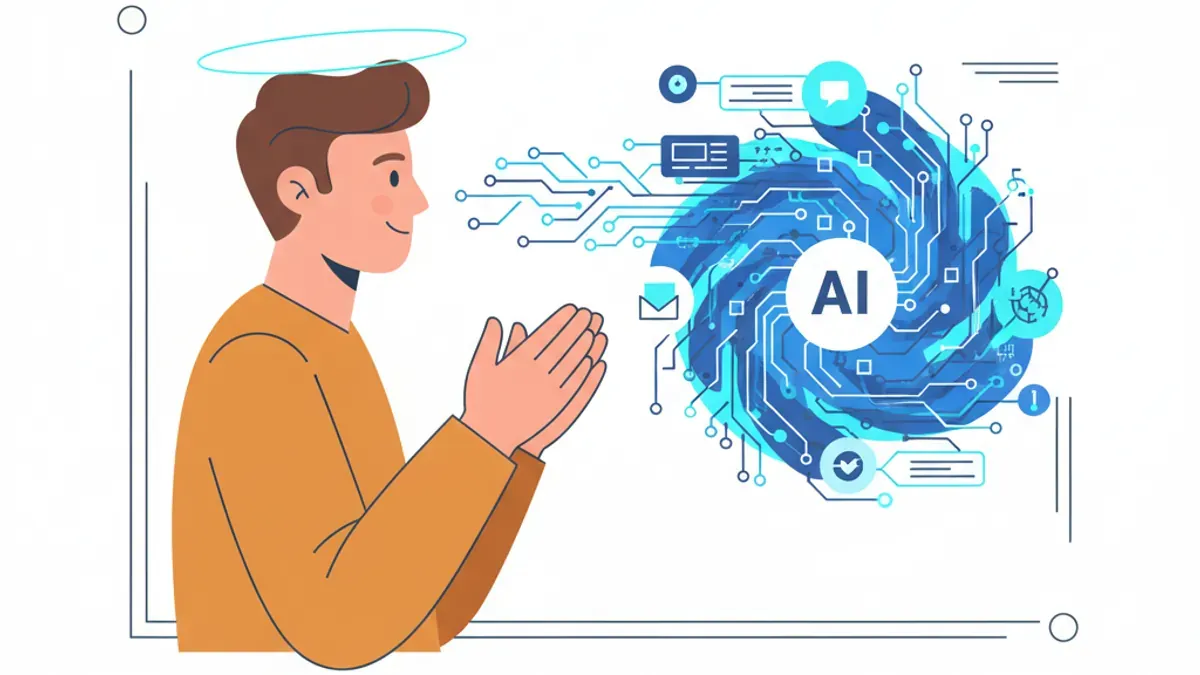
Conclusion: Embrace the Oracle
If the AI has better taste, let it be your Oracle. Stop trying to out-think a model that has ingested every successful UI/UX teardown and product strategy book ever written. Use its taste as your baseline, and spend your energy getting the product out the door.
Taste has been commoditized. Traction has not.
Mercury Technology Solutions: Accelerate Digitality.