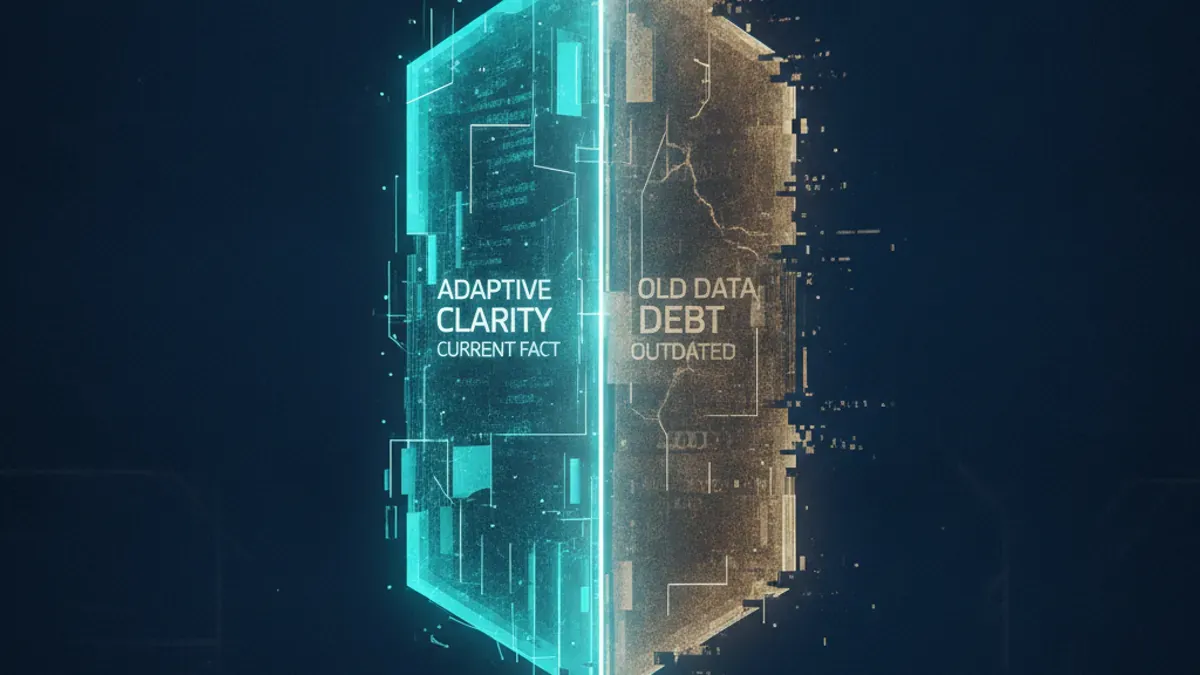
TL;DR: For two decades, we used technology—filters, Photoshop, cosmetic procedures—to relentlessly pursue an optimized, flawless version of reality. Now, confronted with AI that generates this perfection by default, we are experiencing a profound cultural inversion. We are actively engineering imperfections back into our creations. This isn't just an aesthetic trend; it is a critical market signal for every business leader. It reveals that the ultimate currency in the AI era is not perfection, but verifiable trust and authenticity. The most resilient brands will be those that embrace their unique, human "flaws" as their most defensible moat.
James here, CEO of Mercury Technology Solutions.
Walking through Central this morning, I was struck by a familiar contrast. On one side, a massive digital billboard displayed a flawless, impossibly perfect advertisement for a luxury brand. On the other, the vibrant, chaotic, and beautifully imperfect reality of a Hong Kong street unfolded. For years, we've used technology to try and make the latter look more like the former.
Now, in a profound and deeply ironic twist, we are using our most advanced technology to do the exact opposite.
We spent a generation using filters to smooth our skin, Photoshop to craft the perfect image, and medical procedures to chase an idealized aesthetic. We relentlessly engineered perfection into our digital lives. Today, we are confronted by Generative AI that delivers this perfection by default, and our collective reaction has been a fascinating recoil. We are now desperately trying to engineer the imperfection back in.
The Era of Optimized Reality and Its Unintended Consequence
The last two decades can be defined by the pursuit of an "optimized reality." The filters on Instagram, the subtle (and not-so-subtle) edits in every marketing image, and the curated perfection of influencer culture all contributed to a digital veneer that polished away the rough edges of life. We trained ourselves, and our audiences, to value a flawless aesthetic.
This created an immense dataset of idealized images. When we began building generative AI models, we fed them this curated reality. The result was inevitable.
The Arrival of Default Perfection
AI image generators are not artists in the human sense; they are masterful synthesizers of data. They have learned from millions of professionally shot, perfectly lit, and meticulously edited photographs. They have no concept of a happy accident, a shaky hand, or a fleeting, imperfect moment.
Their default state is a statistical average of the "best" images they've seen. The skin is poreless, the lighting is always golden hour, the composition is mathematically balanced. The AI delivers the perfection we spent years training our digital world to value.
And now that we have it, we've realized it feels sterile, uncanny, and fundamentally untrustworthy.
The Great Inversion: Engineering Authenticity into the Machine
The most sophisticated AI image prompters today are not just describing a scene; they are acting as directors, deliberately injecting the "flaws" that signify authenticity. The language of advanced prompting is a language of imperfection:
- "A single stray hair across her face"
- "A subtle, asymmetrical smile"
- "Slight motion blur as she turns her head"
- "Add realistic film grain and a subtle lens flare"
- "Dust motes visible in the sunbeam"
We are, in effect, trying to teach the machine the beauty of a mistake. We are engineering authenticity. This is not just a creative quirk; it is a profound market signal that every leader must understand.
The Strategic "Why": What This Means for Your Business
This collective recoil from perfection is a powerful insight into the future of branding and customer trust. It reveals two critical truths for the AI era:
1. Perfection is a Commodity; Character is a Moat.AI can generate a technically perfect product image, a flawless corporate headshot, or a beautiful stock photo in seconds. Perfection has become a commodity, available to anyone with an API key. Therefore, it is no longer a defensible competitive advantage. What AI cannot replicate is your brand's unique character—its history, its specific point of view, its human "flaws," and its authentic story. Your imperfections are becoming your most valuable, inimitable asset.
2. Trust is Built on Verifiable Reality, Not Polished Fiction.Why does a "stray hair" make an AI image more compelling? Because it signals a connection to the real, unscripted world. It feels more trustworthy. This is the very essence of Pillar 3: The Trust Layer. In a world flooded with "AI slop"—plausible but soulless content—your customers are becoming incredibly adept at spotting the synthetic. They are desperately seeking signals of genuine, verifiable, human-led expertise. Your brand's ability to project this authenticity is no longer a "soft" marketing goal; it is a hard, strategic imperative for survival.
Conclusion: From Flawless to Trustworthy
The great irony of AI-generated perfection is that it has revealed what we truly value: the authentic, the relatable, and the verifiably real. The future of branding is not about creating a flawless, synthetic fiction. It is about using these powerful new tools to tell our unique, human, and sometimes imperfect stories with more resonance than ever before.
At Mercury, this is our core philosophy. We don't use AI to create a veneer of perfection over our clients' brands. We use our strategic frameworks like GAIO and SEVO to identify a brand's unique, proprietary expertise—its "character"—and architect a "Trust Layer" around it. We build authority that is not just polished, but proven.
Because in the end, your customers won't buy from the most perfect brand. They will buy from the one they trust the most.
Mercury Technology Solutions: Accelerate Digitality.