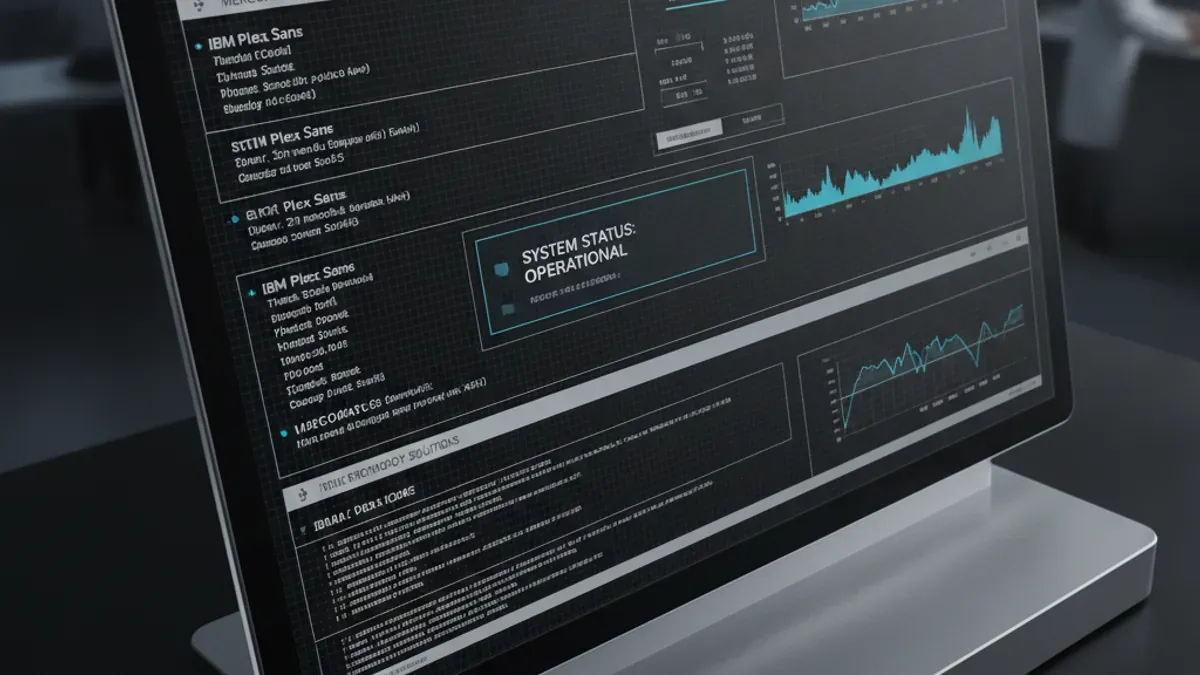
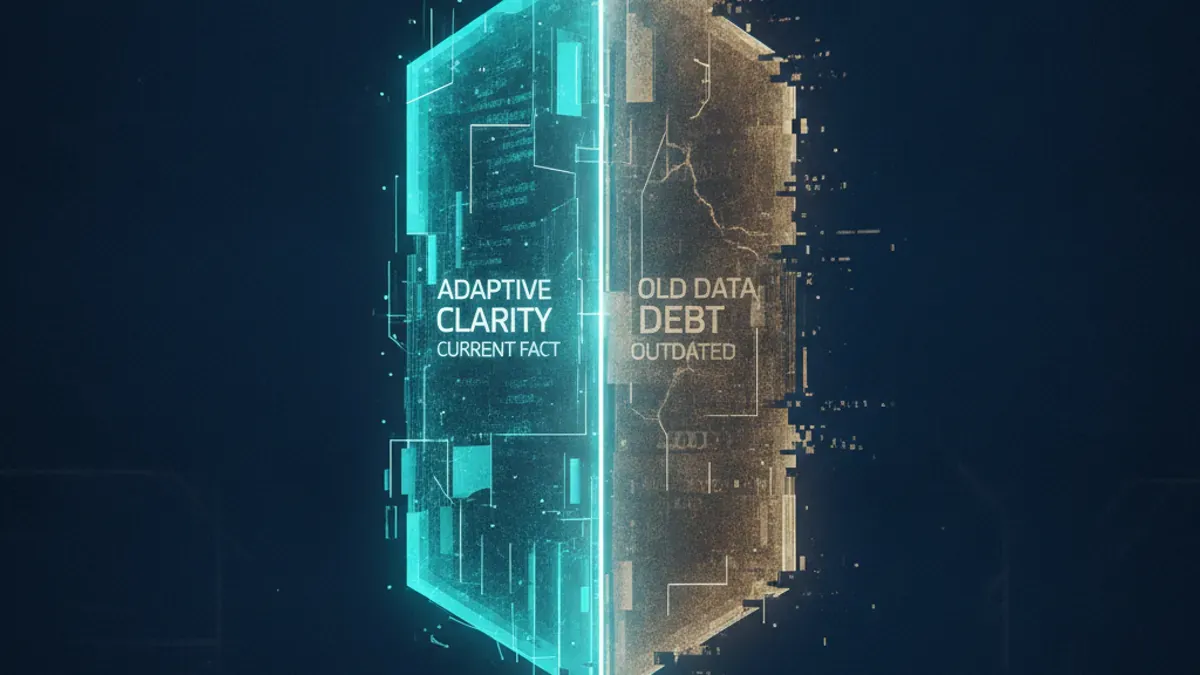
The neon lights of the Tsim Sha Tsui skyline are reflected in the harbor, but if you were looking through a military-grade ELINT (Electronic Intelligence) sensor tonight, the harbor would look very different. You might see a dozen destroyers that aren't there, or you might fail to see a carrier that is.
In Legend of the Galactic Heroes, electronic warfare was a constant struggle for Information Supremacy. Ships used "directional beams" to avoid detection, and massive jamming made traditional long-range targeting impossible. In 2026, we have moved beyond simple jamming. We are in the era of Sensor Hallucination.
1. The Cyber "Strategy of Denial"
In our first series, we discussed Elbridge Colby’s physical Strategy of Denial—preventing the Empire from achieving a Fait Accompli. In 2026, the Digital Strategy of Denial is even more critical. Its goal is not to destroy the enemy’s fleet, but to Deny them the Truth.
- AI-Orchestrated Spoofing: Following the late-2025 discovery of the first "AI-orchestrated" cyber campaigns, 2026 has seen the rise of autonomous agents that can penetrate an enemy’s Aegis or "Red Trade" sensor network.
- The Hallucination Effect: These agents don't just shut down radars (which would be an obvious sign of attack); they subtly alter the data. They make an incoming drone swarm look like a flock of birds, or they create a "Ghost Fleet" on the enemy's tactical display, forcing them to waste expensive interceptors on digital phantoms.
2. The Rise of the Ghost Fleet
The "Alliance" (US) has officially activated its Medium Unmanned Surface Vessel (MUSV) program, known colloquially as the "Ghost Fleet."
- The 2026 Reality: These are 150-foot autonomous ships, like the Sea Hunter and its successors, that carry no crew. In a systemic clash, they act as Electronic Decoys.
- Systemic Sacrifice: In LoGH, commanders would sometimes sacrifice older ships to bait the enemy. In 2026, the Ghost Fleet is designed to be "digitally loud." They scream "I am a Carrier!" to the Empire's sensors, drawing fire and exposing the locations of the Empire's hidden 055 "Imperial Flagships."
3. The "Identity Break" (2026 Pivot)
As we hit mid-2026, we are seeing what experts call the "Identity Break." With the proliferation of deepfakes and AI-generated non-human identities, the fundamental question for any commander in the Pacific is: "How do I prove who I am talking to?"
- The "Rosen Ritter" of Code: Just as the Rosen Ritter were elite boarding parties that fought in the "Old Way" (hand-to-hand), the elite cyber-militias of 2026 are specialized units that bypass AI defenses by using valid, stolen "identities"—abusing single sign-on systems to "walk through the front door" of a ship’s control plane.
- The Tactical Consequence: If a captain cannot be sure that the "Orders from Central" are real, the entire command-and-control system of the Empire or the Alliance begins to suffer from Systemic Friction.
Conclusion: The Fog of Code
In 2026, the Pacific is no longer a clear blue map. It is a "Fog of Code."
The Digital Strategy of Denial means that the winner of the next conflict won't be the one with the most missiles, but the one whose AI Agents can successfully "hallucinate" the enemy into a state of paralysis. As the Empire and the Alliance both move toward Quantum-Resistant Encryption and Self-Healing Mesh Networks, the battlefield is becoming a place where the most dangerous weapon is a well-placed line of autonomous code.
Next Blog Post: AGI Ragnarök — The 2035 Intelligence Horizon. We conclude the series by looking at the "Singularity" of war. If one side achieves AGI first, does the "Board" even matter anymore?