For 20 years, we optimized e-commerce for human eyeballs. We obsessed over button colors, banner ads, and "sticky" UX. That era is ending.
We are entering the era of Agentic Commerce. This is not a chatbot giving a recommendation. This is a user saying to an LLM: "Buy me the best ergonomic mouse under $100 that works with a Mac," and the Agent handling the research, the selection, and the transaction without the user ever visiting a website.
The "Shopper" is no longer just a person. It is an Agent acting as a gatekeeper. To survive, your technical architecture must speak the language of these Agents.
1. The Battle of Protocols: ACP vs. UCP
Just like VHS vs. Betamax, we are seeing a protocol war define how Agents talk to Merchants.
The Challenger: ACP (Agentic Commerce Protocol)
- The Players: OpenAI and Stripe.
- The Philosophy: Transaction-First.
- The Status: Launched late 2025. Adopted by Shopify, Etsy, Walmart, and Instacart.
- The Function: It standardizes how an Agent (like ChatGPT) executes a programmed purchase. It’s the "Pay" button for the Agentic Web.
The Empire: UCP (Universal Commerce Protocol)
- The Players: Google.
- The Philosophy: Journey-First.
- The Status: Announced days ago (Jan 2025).
- The Function: Google realizes a transaction is the end of a long road. UCP tackles discovery, capability understanding, order management, and the transaction (via Google Pay). It integrates with Agent2Agent (A2A) standards.
The Strategic Dilemma: ACP is focused on the kill (the sale). UCP is focused on the hunt (discovery + sale). As an SEO or CTO, you do not have the luxury of choosing one. You must support both.
2. Enter GXO: SEO for Machines
I know, I know. Another acronym. But GXO (Generative Experience Optimization) is simply the evolution of SEO/ LLM SEO for the Agentic age.
If SEO is convincing a human to click a link, GXO is convincing an Agent that your product is the correct answer to a query. Agents do not "browse" pages. They query APIs, parse feeds, and ingest Structured Data.
The Pillars of GXO:
- Crawlability: Can the Agent traverse your Information Architecture?
- Schema is Oxygen: If your Schema.org markup (Product, Price, Stock, Shipping) is missing or broken, you are invisible. Schema is the glue that holds the Agentic Web together.
- Brand Sentiment: Agents are trained on the open web. If third-party reviews (Reddit, specialized forums) are negative, the Agent will filter you out before you even get a chance to sell.
3. The Mercury Solution: The Middleware Bridge
Here is the friction point:
- Shopify/Wix users: You are likely on a waitlist for native ACP integration.
- Custom Stack users: You are looking at a massive engineering overhaul to build UCP/ACP endpoints.
At Mercury, we saw this coming. We didn't want to wait for the CMS giants to catch up. We launched the Mercury GXO Middleware.
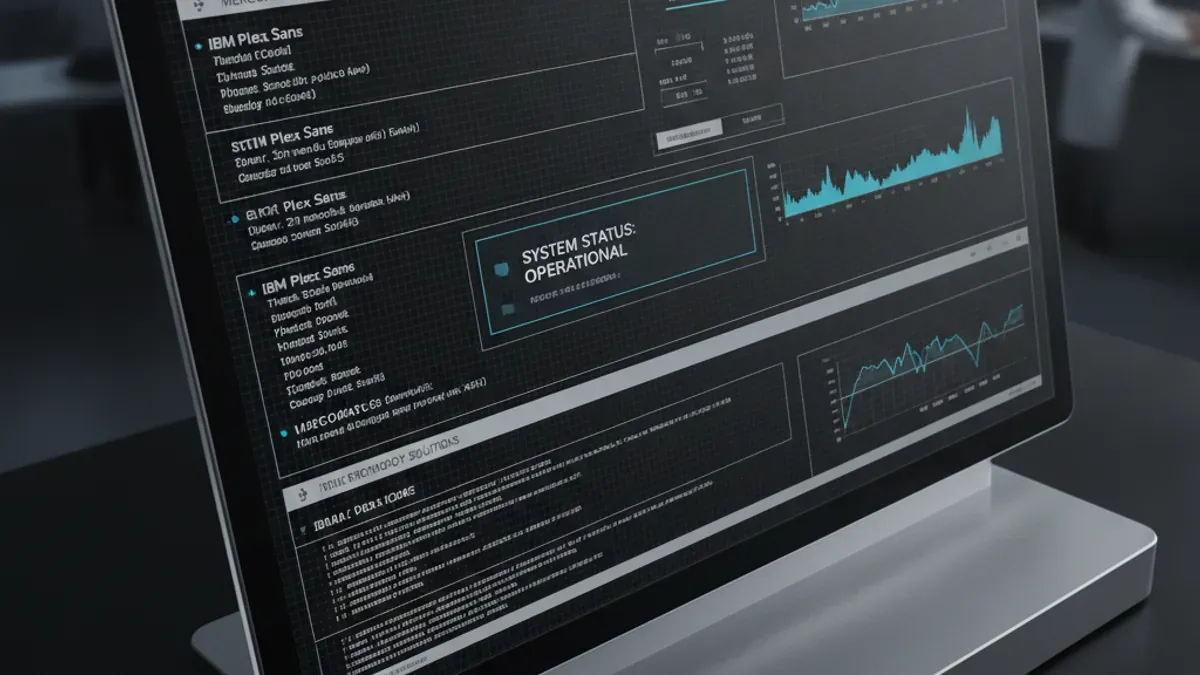
This is a bridge layer that sits between your legacy e-commerce platform and the Agentic Web.
- It translates: It takes your existing product data and dynamically generates the required Schema and API endpoints for both UCP and ACP.
- It connects: It allows you to be "Agent-Ready" today, without replatforming.
4. What You Must Do Now
Do not wait for Q2 2026. The adoption curve is vertical.
- Test the Agents: Go to ChatGPT or Gemini right now. Ask about products in your category. Does your brand appear? If not, why? (Likely missing Schema or poor external sentiment).
- Audit Your Data: Is your inventory data accessible via API, or is it trapped in a monolithic front-end?
- Adopt GXO Strategy: Shift content from "Marketing Fluff" to "concise, value-dense data." Machines prefer facts over adjectives.
Conclusion: The Invisible Customer
In 2026, your most valuable customer might never see your website's homepage. They will see a JSON feed. They will see a UCP endpoint. If you build for them, you unlock a market that never sleeps and never gets tired of shopping.
Is your infrastructure ready for the Agentic Web?
Ready to upgrade your infrastructure?
Don't leave your Agentic strategy to a waitlist. Click below to schedule a live demo of Mercury's GXO Middleware. We will show you exactly how to bridge your store to UCP and ACP in real-time.
Mercury Technology Solutions: Accelerate Digitality.