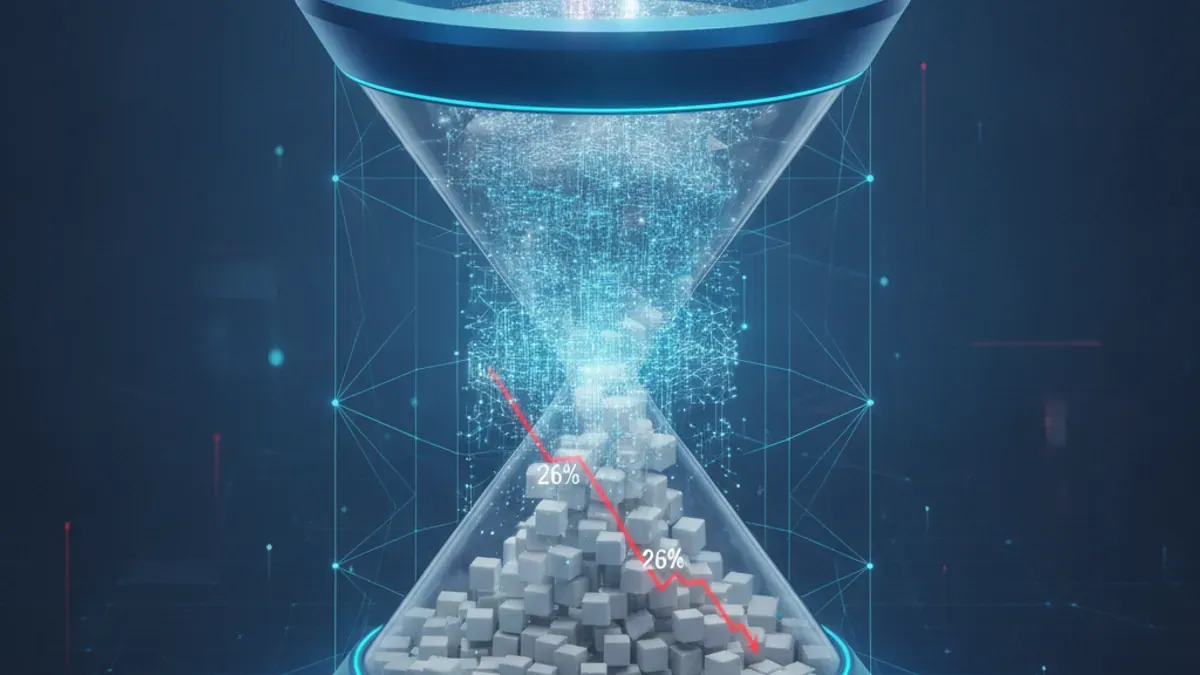
簡而言之:全球人工智慧競賽看似是一場技術人才的戰鬥,但事實上並非如此。這是一場關於投資結構的戰鬥。歐洲和日本,因其主導的「銀行主導」投資模式,結構上無法資助高風險的突破性創新。這種風險厭惡的模式要求可預測的短期投資回報,主動扼殺「瘋狂想法」的誕生。相對而言,美國和中國則運行在一種「風險投資主導」的模式上,這種模式在混亂和不對稱的上行潛力中蓬勃發展。這不是一種新趨勢;這是歐洲和日本錯過每一波重大科技浪潮的結構性原因——從網際網路到行動裝置,現在再到人工智慧。
我是這裡的詹姆斯,Mercury Technology Solutions的執行長。
我經常被問到一個關鍵的戰略性問題:在人工智慧主導的高風險競賽中,為什麼桌上只有兩個參賽者?為什麼這是一個美中故事,完全缺乏「第三個競爭者」?歐洲和日本的傳統科技強國發生了什麼?
這不是偶然,也不是從2022年開始的新現象。答案不是缺乏人才、教育或工業實力。
答案是一個結構性問題。技術格局是由推動它的投資結構所決定的。
坦白說,歐洲和日本在人工智慧競爭中失敗的原因與他們在網際網路繁榮和行動繁榮中失敗的原因相同。他們的「資本作業系統」根本上與突破性創新不相容。
系統1:銀行主導的作業系統(歐洲和日本)——創新的扼殺者
歐洲和日本的經濟在很大程度上由「銀行主導」的投資結構所主導。銀行的核心業務是貸款,而銀行的主要指令是不虧損。
這一單一指令決定了所有資本的流向。銀行只會資助成熟、可預測的行業,這些行業擁有穩定的現金流和實體資產:不動產、基礎設施、公用事業、汽車製造。
這個系統獎勵什麼樣的行為?它獎勵可預測性、優化和零失誤的執行。它創造了世界級的汽車零件,但無法創造ChatGPT。
這個系統在結構上設計來扼殺創新。
想像一位才華橫溢的年輕德國工程師,她有一篇關於新算法的激進的兩頁論文。她需要1000萬美元的計算時間和招聘一個團隊。她去找銀行。銀行的信貸委員會,其整個價值體系建立在8%的年回報和可驗證的現金流上,看到她的提案。對他們來說,這不是一個「改變世界的想法」;而是一個「騙局」。她的兩頁算法與它們印刷的紙張價值相同。
這不是假設。這是歐洲最偉大科技出口的故事。
- DeepMind(英國):需要大量非商業計算資源。沒有任何歐洲實體能提供這些資源。它被谷歌收購。
- Spotify(瑞典):為了實現全球規模,它在美國的紐約證券交易所上市,而不是在歐洲。
- ARM(英國):為了獲得應有的估值,它在美國的納斯達克上市。
- Unity(丹麥):這家3D引擎巨頭在2009年不得不重組並搬到美國,以便獲得增長資本。
這些公司並不是被超越的;它們是被自己風險厭惡的「銀行主導」系統餓死的。它們不得不移民到不同的資本生態系統中才能生存。日本的情況甚至更加「封閉」。其行動網際網路時代被電信壟斷所扼殺,這些壟斷對任何內容出現在螢幕上收取「通行費」,使獨立的初創生態系統無法出現。
系統2:風險投資主導的作業系統(美國和中國)——創新的原始湯
相對而言,美國和中國運行在一種「風險投資主導」的模式上。這個系統不是由貸款者運行,而是由冒險者運行。
在美國,這種結構源於去中心化財富的歷史。1927年的麥克法登法案等銀行法防止少數大型中央銀行吸走全國的私人財富。這留下了一個豐富多樣的「原始湯」,由私人和企業資本組成。
這種「風險投資主導」的模式有著完全不同的規則:
其主要目標不是
- 避免損失;而是尋找一個100倍的贏家。它明白,
- 90%的投資可能會歸零。這是一個特徵,而不是一個錯誤。它是
- 「混亂的」。"chaotic."你不需要 500 頁的證明。你只需要用一個引人入勝的故事說服一個人。這是唯一的土壤,在這裡一個「瘋狂的想法」——來自一位 20 多歲的退學者的兩頁演算法——可以獲得資金。中國的道路是獨特的,但最終達到了相同的目的地。其國有銀行對初創企業的封閉程度甚至比歐洲更高。然而,語言、文化和法規障礙使得其企業家無法簡單地離開成為美國公司。解決方案?美國風險投資公司(如 IDG 和紅杉)將他們的模式本地化到中國。
他們在中國的土地上創建了一個美式的、由風險投資主導的生態系統,這進而推動了中國的互聯網、移動和現在的 AI 革命。戰略失敗:短期投資回報率的暴政這將我們帶到分歧的核心原因:投資回報率(ROI)的定義。
以銀行為主導的(歐盟/日本)模式以其對短期、可預測和線性 ROI 的痴迷而定義。它問道:「我如何能每年獲得保證的 8% 回報?」以風險投資為主導的(美國/中國)模式則以其對長期、不對稱和指數回報的追求而定義。它問道:「這項投資如何在十年內回報 100 倍?」基礎 AI 的發展或許是人類歷史上最昂貴、風險最高的基礎設施項目。它的可預測短期 ROI 為零。這是一場對未來的贏者通吃賭注中的大規模、非共識的資本「燒錢」。
這就是為什麼歐洲和日本已經失敗的原因。
他們的「以銀行為主導」的系統,要求短期可預測的回報,結構上無法參與這場遊戲。實際上,他們就像是帶著計算器去打核戰。他們因為對短期財務謹慎的痴迷而在戰略上癱瘓。結論:你無法贏得一場你沒有結構去參加的遊戲
- 創新的未來將永遠由推動它的資本結構所決定。缺乏真正的、風險容忍的風險投資模式的地區——更糟的是,期望失敗是可懲罰罪行的地區——將永遠無法產生自己的本土科技生態系統。這是我們在 Mercury 所遵循的哲學。我們不是商品供應商。我們是戰略合作夥伴。我們不提供能夠帶來簡單、可預測的 30 天 ROI 的服務。我們的 GAIO(生成式 AI 優化)和 SEVO(無處不在的優化)服務,本質上是對你品牌未來的戰略投資「信任層」和「權威護城河」。這是一項長期、高風險的投資,而不是短期的開支。我們與那些像我們一樣理解區別的領導者合作。Mercury 科技解決方案:加速數位化。
- The VC-Led (US/China) Model is defined by its quest for long-term, asymmetric, and exponential returns. It asks, "How can this investment return 100x over a decade?"
The development of foundational AI is perhaps the most expensive, high-risk infrastructure project in human history. It has zero predictable, short-term ROI. It is a massive, non-consensus "burn" of capital in a winner-take-all bet on the future.
This is why Europe and Japan have already lost.
Their "Bank-Led" systems, which demand short-term, predictable returns, are structurally incapable of participating in this game. They are, in effect, bringing a calculator to a nuclear war. They are strategically paralyzed by their own obsession with short-term financial prudence.
Conclusion: You Can't Win a Game You're Not Structured to Play
The future of innovation will always be dictated by the capital structure that fuels it. A region that lacks a true, risk-tolerant VC model—or worse, a region that "invests" with the expectation that failure is a punishable crime—will never produce its own indigenous tech ecosystem.
This is a philosophy that we at Mercury live by. We are not a commodity vendor. We are a strategic partner. We don't sell services that deliver a simple, predictable, 30-day ROI.
Our GAIO (Generative AI Optimization) and SEVO (Search Everywhere Optimization) services are, in essence, a strategic investment in your brand's future "Trust Layer" and "Authority Moat." This is a long-term, high-stakes investment, not a short-term expense. We partner with leaders who, like us, understand the difference.
Mercury Technology Solutions: Accelerate Digitality.