5 min remaining
0%
商業模式

轉型:停止銷售「程式碼」。開始銷售「責任」。

在人工智慧時代,軟體公司必須從銷售程式碼轉型為銷售責任。了解如何重新定義您作為風險承保人的角色,並擁抱新的「人類防火牆」模式。

5 min read
Progress tracked
5 分鐘閱讀

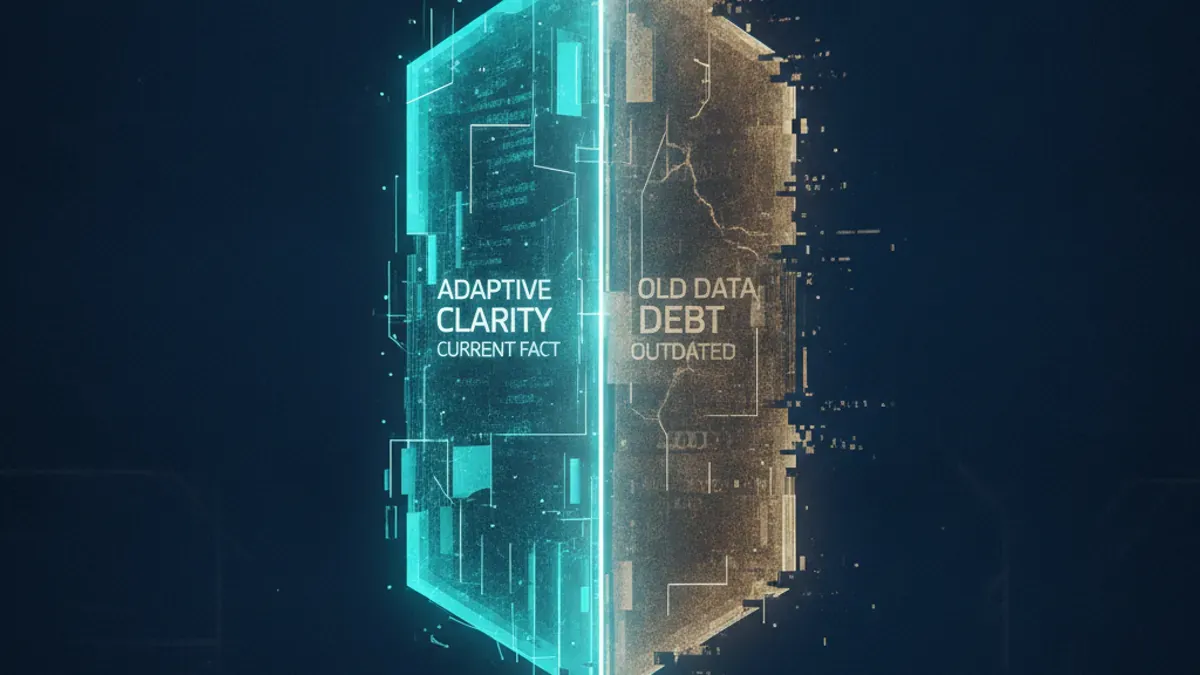
簡而言之:軟體公司模式已經死亡。到2026年,銷售「開發者工時」就像在南極銷售冰塊。像Claude Code這樣的人工智慧工具使生產商品化,將生成程式碼行的成本降低到接近零。源文本突顯了「共享理解」的危機和「防禦性平庸」的興起。這要求進行徹底的商業模式轉變:我們不再是建造者;我們是承保人。

我是James,水星科技解決方案的執行長。

如果您經營一家軟體公司或數位代理商,您可能會感到恐慌。客戶們意識到,擁有Claude Sonnet的初級開發者可以產出與以前的資深開發者相同的程式碼。他們在問,為什麼要支付您的時薪。

您分享的文本不僅僅是對工程師的職業建議;它是一個新商業模式的藍圖。

我們正在從一個生產經濟(誰能寫應用程式?) 轉型為一個驗證經濟(誰敢簽字?)。

這是人工智慧時代的新商業模式:「人類防火牆」代理商。

核心論點:程式碼是責任,而不是資產

過去,我們將程式碼視為資產。我們發佈的功能越多,創造的價值就越高。今天,人工智慧生成的程式碼是「水」——豐富、便宜且可能受到污染。

  • 問題:初級開發者用成千上萬行未經驗證的「看起來可行」的程式碼淹沒了PR。
  • 機會:客戶不需要更多的程式碼。他們需要風險減輕。「人類防火牆」模式的三大支柱

我們不再按「開發」計費,而是按

品味、對齊和責任計費。

1. 服務產品:「對齊即服務」(AaaS)

  • 轉變:正如文本所述,程式碼審查不再關乎語法(Linters會處理這個)。它是關於對抗「無腦程式碼」和「防禦性平庸」。
  • 提供:我們不寫您的程式碼。您的內部人工智慧增強的初級開發者會這樣做。我們進行審查。
  • 價值:我們提供「資深品味」,防止您的系統變成一堆臆想的try...catch區塊的臃腫混亂。我們強迫團隊的心理模型同步。我們收取高額費用成為守門人,確保架構不會漂移。

2. 服務產品:「刪除」顧問

  • 轉變:工程師過去喜歡囤積程式碼。現在,最有價值的技能是勇於刪除它。
  • 提供:我們專注於重構與刪除。我們進來,查看您人工智慧生成的50,000行程式碼,識別「技術債務」,並無情地刪除垃圾。
  • 價值:我們用優雅的人類驗證邏輯替換複雜的臆想意大利麵程式碼。我們不按新增行數收費;我們按複雜性移除。.

3. 服務產品:"窒息的脖子"(賠償)

  • 轉型:這段文字提出了一個關鍵點:"人工智慧沒有脖子。"當系統在凌晨3點崩潰時,你不能解僱Claude。
  • 提供:我們銷售問責。價值:
  • 我們認證人工智慧的程式碼。如果我們簽署了它,我們就擁有停機時間。這使我們從"服務提供者"轉變為"保險人"。在一個無限便宜的程式碼世界中,信任是最昂貴的商品。為什麼"品味"是新的"技術技能"

提示問:

為什麼"品味"變得如此重要,這是否適用於編碼以外的領域?品味 = 拒絕平庸的能力。

生成式人工智慧基於概率運作。它預測最

可能的下一個標記。根據定義,人工智慧優化平庸。它寫出最"平庸"的React組件。

  • 它寫出最"平庸"的行銷文案。
  • 它生成最"平庸"的企業標誌。
  • 在人工智慧的世界中,

品味是能夠看著統計上可能的輸出並說:"這很無聊,""這在技術上是正確的,但在策略上是錯誤的。"超越編碼:"編輯經濟"

這個模型適用於每個生成式產業。

1. 文案寫作與內容:

舊模型:

  • 每字支付作家$0.10。新模型:
  • 人工智慧免費生成10,000字。代理商為有品味的編輯收費,他刪除9,000字並精煉剩下的1,000字,以確保它們聽起來不像機器人。你支付的是聲音,而不是音量。2. 平面設計與視頻:

舊模型:

  • 支付渲染和繪圖的工時。新模型:
  • Midjourney生成500張圖片。代理商為藝術總監收費,他選擇 who selects the 張實際符合品牌形象並修正「六指」幻覺的圖片。

3. 法律:

  • 舊模型:初級律師起草合約。
  • 新模型:人工智慧起草合約。合夥人對於判斷知道哪一條款在特定法官的法庭上實際上會成立。

結論:磚瓦工的終結

如果你目前正在銷售「勞動」(編寫程式碼、撰寫文字、繪製像素),你正在與近乎免費的商品競爭。

要生存,你必須轉型為銷售判斷。成為編輯,而不是作家。

  • 成為建築師,而不是磚瓦工。
  • 成為保險人,而不是建造者。
  • 未來屬於那些擁有

品味以從噪音中篩選出信號的能力,以及勇氣對結果負責的能力的人。水星科技解決方案:加速數位化。

Mercury Technology Solutions: Accelerate Digitality.
Frequently Asked Questions

Why should software agencies shift from selling code to selling liability?

In the AI era, the cost of generating code has drastically decreased, making it a commodity. Clients now seek risk mitigation and accountability rather than just code production. Agencies must adapt by offering services that ensure quality and reliability, thus redefining their role to focus on managing and underlining the risks associated with software.

What is the 'Human Firewall' model?

The 'Human Firewall' model emphasizes the importance of human oversight in the era of AI-generated code. Instead of focusing solely on development, agencies will provide services centered around taste, alignment, and accountability, ensuring that the code produced is not only functional but also aligned with the client's strategic goals.

How can agencies provide value in an era where AI generates code?

Agencies can provide value by focusing on services like code review, refactoring, and accountability. By acting as gatekeepers who ensure quality and coherence in AI-generated output, they can charge for their expertise in taste and judgment rather than just the coding process itself.

What are the three pillars of the 'Human Firewall' model?

The three pillars are 'Alignment-as-a-Service', the 'Delete' Consultancy, and 'The Neck to Choke' (Indemnification). These services focus on ensuring code quality, removing unnecessary complexity, and providing accountability for AI-generated outputs, shifting the agency's role from a service provider to an insurer.

How does the shift to selling judgment affect the future of software development?

As agencies pivot to selling judgment, they will prioritize the ability to assess and refine AI-generated outputs over traditional coding tasks. This shift fosters a new economy where expertise in critical evaluation and strategic decision-making becomes more valuable than merely producing code, aligning with the evolving needs of clients in a digital landscape.