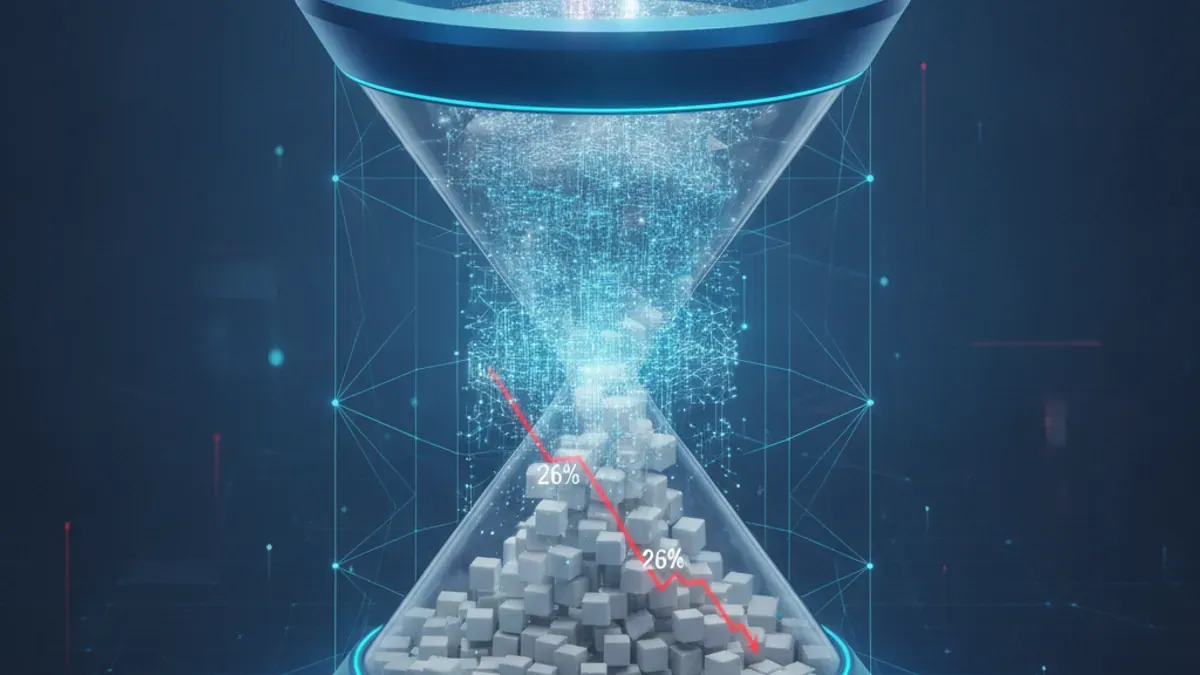
簡而言之:每個人都在關注股市,追蹤IBM最近13%的下跌和單一人工智慧插件蒸發的2850億美元。但真正的危險不在於公開股票,而是隱藏在3兆美元的私募信貸市場的陰影中。私募股權公司在過去十年中一直利用債務收購SaaS公司,將軟體訂閱視為保證的零風險抵押貸款支付。現在,人工智慧正在摧毀SaaS訂閱模式的前提。我們正在目睹兩個巨大的系統性風險的碰撞:SaaS需求的崩潰和600億美元的人工智慧基礎設施貶值泡沫。2008年的劇本再次上演,只是用不同的縮寫。我是James,Mercury Technology Solutions的執行長。. We are witnessing the collision of two massive systemic risks: the collapse of SaaS demand and a $$600B AI infrastructure depreciation bubble. The 2008 script is playing out again, just with different acronyms.
James here, CEO of Mercury Technology Solutions. 東京,日本 - 2026年3月11日
上個月,我寫到了傳統SaaS即將死亡的情況。我指出,人工智慧代理和命令列介面架構正在使每月20美元的訂閱軟體變得過時。這就是技術現實。
今天,我們需要談談財務現實。我一直在盯著私人信貸市場的一組數字,坦白說,它們令人恐懼。這完全像2008年。
這是即將到來的流動性危機的系統架構。
1. SaaS "抵押貸款" 機器(私募股權如何建立泡沫)
要理解這場危機,你必須了解私募股權(PE)如何在軟體上賺錢。
為什麼銀行喜歡給政府員工提供抵押貸款?因為他們的月薪非常穩定。在過去十年中,PE公司對SaaS公司的看法完全相同。他們使用槓桿收購(LBO)——這意味著他們借入大量資金——來收購SaaS公司。他們計劃利用軟體穩定、可預測的每月訂閱收入來償還這筆債務。
在2015年至2025年間,超過1,900家軟體公司被PE收購,總金額超過4400億美元。資助這些收購的債務主要來自私人信貸市場。今天,大約20% 到 25% 的 3 兆美元私人信貸市場(大約 6000 億到 7500 億美元)正在押注於 SaaS 公司。
2. 2008 年 CDO 操作手冊,再次出現
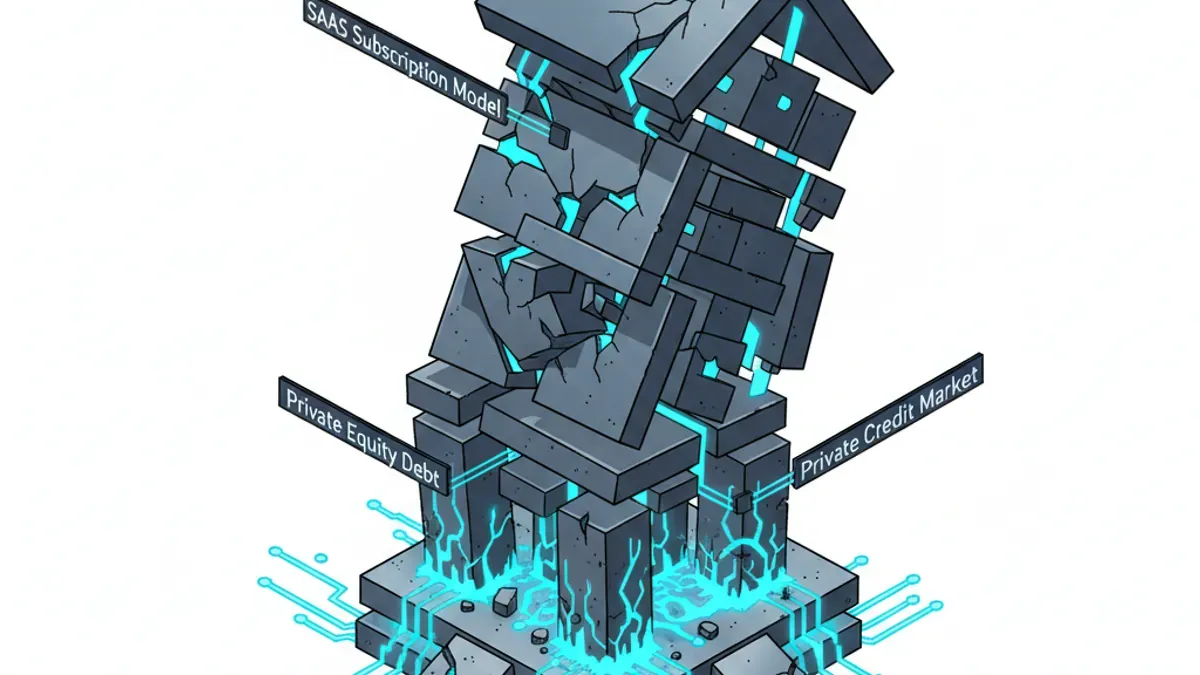
你還記得 2008 年房地產崩潰時的擔保債務憑證(CDOs)嗎?華爾街將風險較高的抵押貸款打包在一起,蓋上 "AAA" 的評級,然後賣給退休基金。當底層的房主停止還款時,整個全球經濟崩潰了。我們今天建立了完全相同的結構:基礎:
SaaS 每月訂閱收入。
- 第一層:私募股權公司使用 LBO 債務收購 SaaS 公司,承諾用訂閱收入來償還債務。
- Layer 1: PE firms use LBO debt to buy the SaaS company, promising to pay the debt with subscriptions.
- 第二層:私人信貸基金將這些貸款打包並出售給機構投資者。
- 第三層:BDC(商業發展公司)基金再次將其打包並將其出售給零售投資者和退休基金。這條鏈中的每個人都假設基礎(SaaS 收入)是穩固的。
"客戶永遠不會取消他們的企業軟體,"他們說。但人工智慧目前正在摧毀 SaaS 的三大支柱:高轉換成本、客戶無法自行建置,以及持續的需求增長。當人工智慧允許客戶用一個提示複製您的 SaaS 平台時,訂閱就會停止。當訂閱停止時,私募股權債務就會違約。
But AI is currently annihilating the three pillars of SaaS: High switching costs, inability for clients to build it themselves, and perpetual demand growth. When AI allows a client to replicate your SaaS platform with a single prompt, the subscriptions stop. When the subscriptions stop, the PE debt defaults.
我們已經看到裂痕。Citrix以165億美元被收購,而銀行最近不得不承擔7億美元的損失,試圖卸載這筆債務。Coupa Software以80億美元被收購,並立即宣布裁員。目前,469億美元的科技專注私人信貸貸款正式處於「困境」中。 (還記得:你可以在一秒鐘內賣出一支股票。私人信貸有限合夥資本被鎖定7到10年。如果這崩潰,投資者無法取回他們的資金。一些BDC已經停止贖回)。
3. 第二戰線:人工智慧基礎設施泡沫
就好像SaaS需求的崩潰還不夠,我們在供應端還有一個次級泡沫正在膨脹:人工智慧基礎設施。
到2026年,四大科技公司(微軟、谷歌、Meta、亞馬遜)將在人工智慧資本支出上花費超過6000億美元。這筆錢足以資助整個阿波羅登月計劃四次。
這裡是保持市場支撐的會計虛構:科技巨頭們在5到6年的時間內攤銷他們的人工智慧GPU(這是傳統IT硬體的標準)。但在尖端的人工智慧領域,GPU的經濟價值在1到2年內因快速迭代而暴跌。
通過在紙上將攤銷延長至6年,這些公司正在人為壓低當前成本並膨脹其利潤率。此外,像微軟這樣的公司正在向OpenAI投入數十億美元,而OpenAI又用這些資金購買微軟Azure計算——使微軟能夠將這筆錢重新記錄為「雲收入」。這正是思科在2000年網路泡沫中使用的相同循環會計技巧。
4. 風險投資與創業公司的後果
這兩個交錯的危機——SaaS LBO 的崩潰和 AI 資本支出泡沫——已經在摧毀創業公司的退出環境。
如果你是天使投資人或創業公司創辦人,遊戲已經根本改變了:
- 退出窗口已關閉:私募股權公司正在窒息於他們目前的 SaaS 債務;他們不會以溢價收購你的 SaaS 創業公司。首次公開募股窗口同樣已死(Figma 從高峰下跌了 80%)。
- 風險債務正在枯竭:銀行對軟體風險感到恐懼。如果你的創業公司依賴風險債務來度過下一輪,你正處於極端危險之中。
上週,我在評審一場創業公司提案比賽。一位年輕的創辦人推銷了一款用於數據組織和工作流程自動化的 B2B SaaS 工具。我直截了當地問他:"你知道 SaaS 正在衰退嗎?"他承認他的產品可能只有 2 到 3 年的生命週期,然後一般的 AI 就會吞噬這些功能。
我告訴他的話將告訴你:沒有任何智慧的資本會投資於一個為期三年的過渡產品。 ## 結論:"這次不同"
地面在我們的腳下正在移動。SaaS商業模式正在崩潰。建立在其上的PE債務正在破裂。導致崩潰的AI基礎設施本身是一個巨大的折舊泡沫。
檢查你的退休基金。檢查你的創業投資組合。不要因為沒有每日的股市報價告訴你它正在崩潰,就假設私人信貸市場是安全的。在金融界,四個最昂貴的詞總是:"這次不同。"
Mercury Technology Solutions:加速數位化。