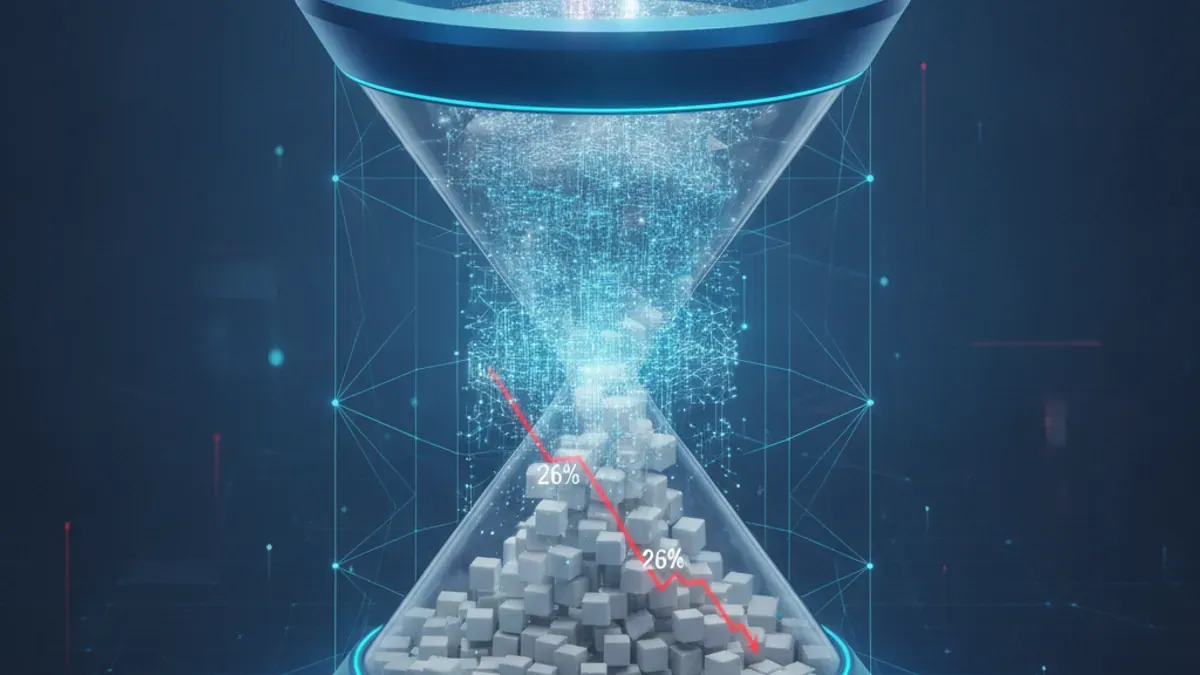
簡而言之:人工智慧的普及創造了一場新的淘金熱,但許多「人工智慧解決方案」提供者正在採用有缺陷的短期商業模式。真正的行業領導者正在超越業餘的「一次性設置」,通過戰略夥伴關係、基於績效的定價和全面的轉型服務包來建立可持續的價值。在Mercury Technology Solutions,我們相信未來不在於銷售軟體,而在於提供持久的轉型。
我是詹姆斯,Mercury Technology Solutions的執行長。隨著人工智慧持續融入商業的每一個面向,一場關鍵的對話正在出現——不僅僅是關於技術本身,而是關於用來交付其價值的商業模式。在我對市場的觀察中,我看到一個廣泛的範疇,從短視的交易性設置到複雜的長期夥伴關係。
理解這個範疇對於提供者和客戶都至關重要。對於提供者來說,這是關於建立一個可持續且具有防禦性的商業。對於客戶來說,這是關於識別一個真正的夥伴,能夠提供具體的、持久的成果。許多人只是做錯了,留下了巨大的價值和潛力在桌面上。
人工智慧解決方案商業模式的範疇:從業餘到戰略夥伴
讓我們剖析在市場上看到的常見模式,從最不有效到最具戰略性。
業餘者的陷阱:「一次性設置」
這是最基本且坦白說最有缺陷的模式。提供者收取一次性費用(可能是500到2000美元)來建立和交付特定的人工智慧自動化或工具。一旦收取了費用,關係就結束了。客戶需要自行管理持續的服務成本,例如OpenAI API或整合平台。
雖然這種方法能迅速產生現金,但它沒有任何持續收入,並且沒有為長期客戶參與或價值創造提供任何途徑。這是一個交易性的,而不是戰略性的模式。它將一種強大而不斷發展的技術視為商品,這是對人工智慧整合真正需求的根本誤解。
專業者的基礎:訂閱 + 持續支持
一個顯著的進步是將初始設置費用與每月的保留費用結合在一起。這個保留費用涵蓋了持續的維護、隨著人工智慧模型演變而進行的必要更新,以及對解決方案邏輯和性能的迭代改進。
然而,這個模式的成功取決於一個關鍵的心態轉變。它只有在提供者充當真正的「成長夥伴」時才有效,而不僅僅是另一個「整合者」。客戶不僅僅是在支付技術維護費用;他們是在投資於主動的專業知識,以確保他們的人工智慧解決方案隨著時間的推移持續交付和改進。這種對持續價值的承諾使專業技術夥伴與「週末戰士」區分開來。可擴展的方法:按行動(或價值)計費模式一個更先進且優雅對齊的模式基於使用或結果來定價。客戶可能擁有一個基準訂閱,其中包括一定數量的「行動」(例如API調用、生成的報告、完成的任務),並對超出部分收取費用。
這個模式非常適合提供明確、可衡量價值的24/7人工智慧代理,例如成本節省或效率提升。它創造了一種強大的共生關係:提供者的收入直接隨著客戶的成功利用和增長而增長。當客戶獲勝時,提供者也獲勝。這是聰明、自信的提供者專注的地方,因為它直接將他們的報酬與他們創造的價值聯繫起來。
Mercury的方法:超越整合,實現真正的轉型
在Mercury Technology Solutions,我們相信最複雜的模式更進一步,專注於深度整合和整體轉型。
關於「白標」與真正的整合解決方案
一個日益受到關注的模式涉及「白標」——將現有的第三方API包裝在自定義介面中,並將該包裝作為專有解決方案出售。雖然這可以提供更高的利潤,但如果它不以獨特的方式解決獨特的問題,其戰略價值可能是表面的。
一種更強大的方法是「真正的深度整合」。我們不僅僅是為外部工具換上新面孔,而是專注於將人工智慧編織進商業的核心運營結構中。例如,我們的「Mercury靈感人工智慧」不僅僅是通用語言模型的包裝;它是一個智能代理,旨在無縫運作於我們的「Mercury商業運營套件(ERP)」。它利用每個模組的數據和能力——從銷售和會計到人力資源——提供上下文感知的協助並自動化複雜的跨功能任務。這創造了一個更具凝聚力和強大的系統,遠比單獨的重新品牌工具更有價值。
巔峰模式:全方位服務的轉型夥伴關係
這將我們帶到最具戰略性和價值的模式,這是我們「定制化人工智慧整合解決方案」的核心。這種綜合方法通常包括:初始設置與自定義開發:為客戶獨特的運營挑戰和目標架構和建造人工智慧解決方案。團隊培訓與採用:確保客戶的團隊能夠有效利用新技術。持續的戰略諮詢:主動建議新機會、潛在改進以及如何適應不斷演變的人工智慧環境。
專屬支持與維護:
提供真正夥伴關係所帶來的安心。通過這個模式,我們不僅僅是在銷售軟體;我們是在銷售「商業轉型」。客戶以高價投資,因為他們理解一個從初始部署到確保長期採用和成功的夥伴的價值。這是成長夥伴關係的終極表現。結論:選擇夥伴關係而非交易
- Initial Setup & Custom Development: Architecting and building an AI solution tailored to the client's unique operational challenges and goals.
- Team Training & Adoption: Ensuring the client's team is fully equipped to leverage the new technology effectively.
- Ongoing Strategic Consulting: Proactively advising on new opportunities, potential improvements, and how to adapt to the evolving AI landscape.
- Dedicated Support & Maintenance: Providing the peace of mind that comes with a true partnership.
With this model, we are not merely selling software; we are selling business transformation. Clients invest at a premium because they understand the value of a partner who handles everything from initial deployment to ensuring long-term adoption and success. This is the ultimate expression of a growth partnership.
Conclusion: Choose Partnership Over Transaction
人工智慧革命已經來臨,但其長期利益不會透過短暫的交易性互動而實現。人工智慧解決方案的未來在於建立深厚、持久的夥伴關係,提供可衡量、持續演變及具轉型價值的成果。對客戶成功的承諾定義了技術解決方案領域中的真正領導者,這也是我們在Mercury Technology Solutions所堅持的標準,致力於為客戶「加速數位化」。