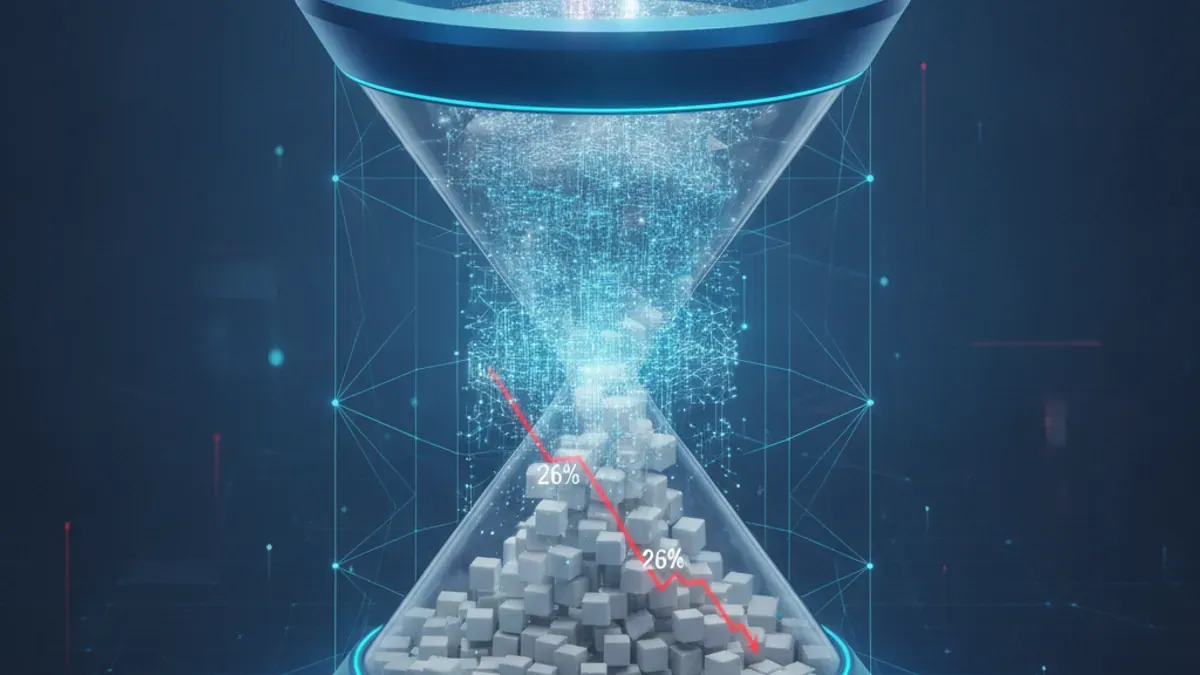
今天走在香港中環的國際金融中心購物商場,光滑的大理石和奢華的店面依然展現出全球金融中心的形象。但作為一名系統設計師,我只看到前系統的「幽靈」。香港曾經是終極的菲茲漢——來自《銀河英雄傳說》的自主貿易走廊,透過在銀河帝國和自由行星聯盟之間玩弄平衡而繁榮。在2026年初,許多台灣人——以及一部分商業精英——仍然堅持這個「菲茲漢幻想」。他們相信,透過經濟的不可或缺性或巧妙的政治對沖,台灣可以在太平洋保持「中立商人」的地位。他們錯了。在2026年的地緣政治架構中,「中立商人」模式事實上已經崩潰。
1. 地理租金陷阱
在小說中,菲茲漢的繁榮基於「地理租金」。它控制了兩個交戰國之間唯一的航行路線。只要雙方都需要這條走廊進行貿易,菲茲漢就安全無虞。
新加坡
今天仍然是「自然菲茲漢」。它位於馬六甲海峽的咽喉,遠離第一島鏈的動態前線。對於美國和中國來說,支付「新加坡稅」的成本比奪取它的軍事成本要低。然而,台灣並不位於衝突的「邊緣」;它是衝突發生的「構造板塊」。當你的存在本身就是防止帝國海軍湧入深太平洋的「插頭」時,你無法成為中立的貿易走廊。2. 「矽盾」:保護還是人質?
最持久的菲茲漢式論點是「矽盾」。其邏輯是:「世界如此需要我們的晶片,以至於沒有人敢冒險發動戰爭。」當我們坐在2026年1月,台積電剛剛確認在高雄的22廠開始量產「2納米晶片」時,這個盾牌從未如此先進。但在2026年的「零和系統」中,高價值節點不再是「盾牌」,而是開始成為「戰略目標」。
帝國的觀點:如果帝國(中國)控制了晶片,他們就控制了聯盟(美國)軍事工業複合體的「大腦」。聯盟的觀點:美國商務部長霍華德·盧特尼克最近拋出震撼彈,呼籲在生產上進行「50-50」的分配。他明確挑戰了矽盾,詢問:「如果你擁有95%的晶片,但距離我9000英里,我怎麼能把它們送到你那裡來保護你?」對於2026年的美國來說,集中在台灣的供應鏈不再是保衛這個島嶼的理由——而是一個必須多元化的「脆弱性」。矽盾正在被重新定義為「共享韌性」,這是系統性去風險的代名詞。3. 「V型」零和陷阱
2. The "Silicon Shield" (矽盾): Protection or Hostage?
The most persistent Phezzan-style argument is the Silicon Shield. The logic was: "The world needs our chips so much that nobody would dare risk a war."
As we sit here in January 2026, with TSMC having just confirmed volume production of 2nm chips at Fab 22 in Kaohsiung, the shield has never been more advanced. But in a 2026 Zero-Sum System, high-value nodes stop being "shields" and start being "Strategic Targets."
- The Empire's View: If the Empire (China) controls the chips, they control the "brain" of the Alliance's (US) military-industrial complex.
- The Alliance's View: US Commerce Secretary Howard Lutnick recently dropped a bombshell by calling for a "50-50" split in production. He explicitly challenged the Silicon Shield, asking: "If you have 95% of the chips but you're 9,000 miles away, how am I going to get them to protect you?"
To the US in 2026, a concentrated supply chain in Taiwan is no longer a reason to defend the island—it is a vulnerability that must be diversified. The "Silicon Shield" is being redefined as "Shared Resilience," which is code for systemic de-risking.
3. The "V-Shaped" Zero-Sum Trap
在參與的「黃金時代」(1990–2018)期間,台灣和香港處於一個「U型」的地緣政治谷地——一個寬廣、舒適的空間,在這裡你可以同時獲得美國的安全和中國的資金。
到2026年,這個谷地已經被擠壓成一個「V型」。中間的空間已經消失。「沒有貿易是自由的」現實:根據「貝森特-萊特海澤」貿易框架,美國已經發出信號,對於關鍵技術節點,「中立」不再是一個選項。你要麼在美國主導的「安全供應鏈」內,要麼就是一個受出口管制的實體。
- 風險溢價:全球保險巨頭重新定價太平洋。保險一艘經過台灣海峽的貨船的成本不再基於天氣,而是基於「衝突點概率」。這個「衝突稅」有效地扼殺了「中立樞紐」模式的獲利能力。結論:堡壘與幽靈
- 對於在台灣倡導「重啟」和「中立」以降低緊張局勢的同事們,我想說:看看香港的幽靈。香港試圖成為永恆的菲薩。可是,在這種規模的系統性衝突中,帝國最終決定「控制」比「效用」更有價值。到2026年,香港成為一個「被佔據的樞紐」——一個專門為帝國內部系統過濾的金融中心。台灣是一座「伊瑟隆堡」。一座試圖像菲薩那樣行事的伊瑟隆堡,將會是從內部打開大門的堡壘。在這個新時代,你的價值不在於你與雙方的貿易量,而在於你如何有效地融入自己系統的防禦。
下一篇博客文章:航行自由與紅色貿易體系。
我們將探討「免費搭乘」的全球化時代如何結束,以及中國如何建立自己的「紅色體系」以繞過美國海軍400年來的海洋規則。Look at the ghost of Hong Kong.
Hong Kong tried to be the Perpetual Phezzan. But in a systemic clash of this magnitude, the Empire eventually decides that Control is more valuable than Utility. In 2026, Hong Kong is an "Occupied Hub"—a specialized financial filter for the Empire's internal system.
Taiwan is an Iserlohn Fortress. An Iserlohn that tries to act like a Phezzan is an Iserlohn that gets its gates opened from the inside. In this new era, your value isn't in how much you trade with both sides, but in how effectively you integrate into the defense of your own system.
Next Blog Post: Freedom of Navigation vs. The Red Trade System. We will look at how the "Free Ride" era of globalization has ended and how China is building its own "Red System" to bypass the US Navy's 400-year-old rules of the sea.