TL;DR: Everyone on VC Twitter is analyzing the viral explosion of the open-source AI agent "OpenClaw," and almost everyone is getting it wrong. The underlying technology is not inherently "innovative," and it didn't win just because it has a WhatsApp remote control. OpenClaw succeeded because it achieved a masterclass in Systems Integration: it violently removed the friction between human intent and machine execution by combining the Opus 4.6 model, aggressive memory management, and complete OS root access. The market is now flooded with forks (NanoClaw, Nanobot, Knolli AI) trying to "fix" its terrifying security flaws. But in systems engineering, every security protocol adds friction. Here is how to navigate the fragmented landscape of AI agents in 2026.
James here, CEO of Mercury Technology Solutions.
Hong Kong - March 13, 2026
If you spend any time on tech forums or industry slacks right now, you are seeing endless threads praising OpenClaw as a "revolutionary" breakthrough in autonomous agent architecture.
Let's be brutally honest, strip away the marketing hype, and look at the base code. The technology powering OpenClaw is not new.
The media claims OpenClaw went viral because it features a messaging app remote control interface. This is a complete fallacy. That concept has been around for years; I literally developed a WhatsApp-to-AI remote control script for my own personal use back in 2023.
The magic of OpenClaw isn't the remote control. The magic is the absolute elimination of user friction.
1. The Holy Trinity of OpenClaw's Success
OpenClaw didn't win because of a shiny UI. It won because Peter (the creator) assembled three specific elements at the exact right micro-second in technological history:
- The November 2025 Inflection Point (Opus 4.6): OpenClaw launched exactly when the underlying LLM infrastructure finally caught up to human expectations. Anthropic's Opus 4.6 crossed a critical threshold of "smart." Before this, you had to prompt an agent like a programmer. Opus 4.6 deduces your implicit intent from a sloppy, half-written text message. It makes the AI feel like it knows you.
- Bulletproof Memory Management: The fatal flaw of pre-2025 agents was digital amnesia. OpenClaw implemented a highly aggressive, persistent memory architecture. The AI simply won't lose context. When the machine remembers a constraint you mentioned three days ago, the illusion of a true "digital employee" is realized.
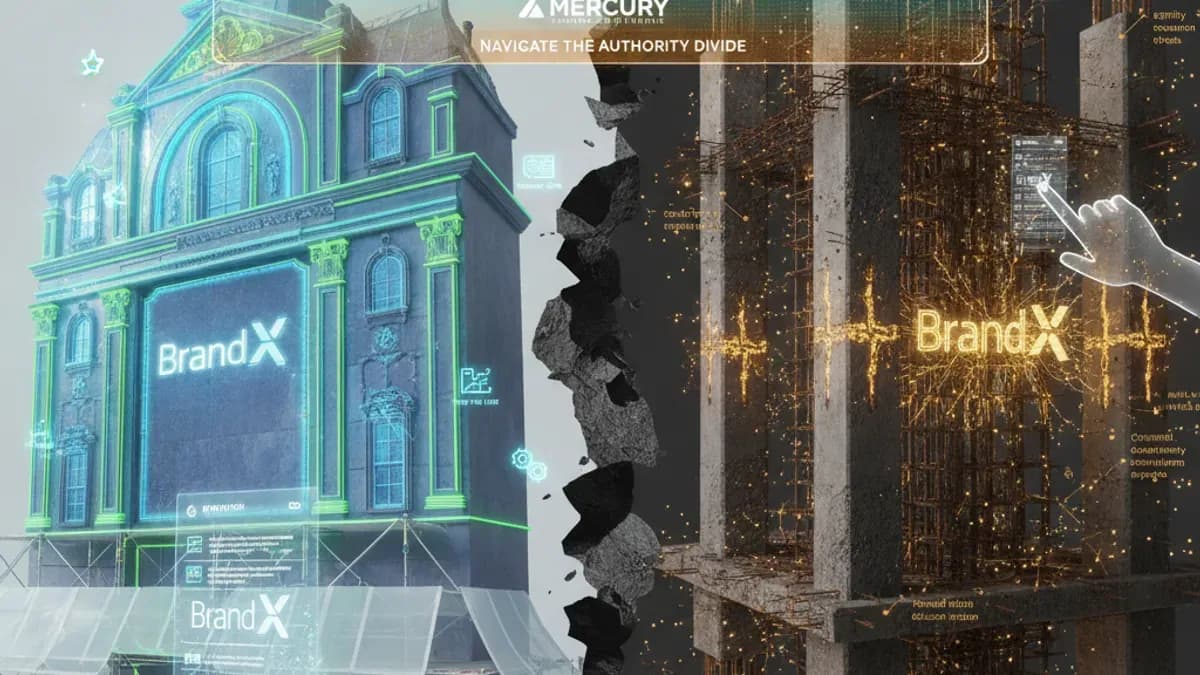
- Crossing the Security Rubicon (Absolute Control): This is the payload. For years, developers kept agents in safe, restricted sandboxes requiring human permission to execute code. Peter looked at that friction and deleted it. OpenClaw grants the AI full, unrestricted root access to the computer's operating system. You ask it to do something, and it just takes over the mouse, the terminal, and the file system to execute it.
2. The Security Paradox & The Graveyard of Copycats
We cannot discuss the genius of OpenClaw without discussing the massive, glowing red target on its back. Giving an autonomous entity absolute control over your local machine is a cybersecurity nightmare. It is the ultimate double-edged sword.
Because OpenClaw is open-source, the underlying tech isn't a secret. The market was instantly flooded with forks. But instead of replacing OpenClaw, these clones fragmented the market.
Why? Because the clone developers tried to "fix" OpenClaw's security risks. But every time you add a security protocol, you add friction. By trying to make OpenClaw "safe," they killed the magic that made it viral in the first place.
3. The Great Unbundling: The AI Agent Decision Matrix
There is no such thing as a "perfect" AI agent—there are only systemic trade-offs. You must decide whether your organization prioritizes frictionless execution, absolute security, code transparency, or data sovereignty.
To make this immediately actionable for your engineering and operations teams, I have distilled the fragmented OpenClaw ecosystem into a definitive strategic matrix.
- For Maximum Security & Isolation (NanoClaw or Moltworker): * The Systemic Trade-Off (High Friction): You lose seamless execution by forcing everything through Docker containers and permission gates.
- For Privacy & Local-First Execution (ZeroClaw or PicoClaw): * The Systemic Trade-Off (Low Intelligence): By staying off the cloud and air-gapping the agent, you lose the massive compute power needed for Opus 4.6-level reasoning.
- For Code Simplicity & Auditing (Nanobot): * The Systemic Trade-Off (Developer-Only): It is brilliant for reading and modifying (~4k lines of code, native MCP), but it lacks the plug-and-play polish required for non-technical end users.
- For Enterprise-Grade Governance (Knolli AI): * The Systemic Trade-Off (Loss of Freedom): You gain audit trails and Role-Based Access Control (RBAC), but you kill the open-ended, creative automation that made agents viral.
- For Zero-Setup Cloud Convenience (Manus AI): * The Systemic Trade-Off (Corporate Capture): You get immediate, high-powered assistance, but you surrender your data ownership and execution environment to Meta's servers.
4. The Open-Source Moat (Why OpenClaw Stays on Top)
Despite these specialized alternatives, OpenClaw maintains its dominance because of its community moat. The first mover with a working, frictionless product becomes the default standard.
The community builds the infrastructure around it. For example, I developed mod-openclaw.mtsoln.com—a tool that allows users to quickly and easily boost their OpenClaw deployments without needing to rebuild the core architecture. Continuous, community-driven upgrades keep OpenClaw at the center of gravity, while the specialized forks orbit around it.
Conclusion: Choose Your Poison
If you misconfigure a tool as powerful as OpenClaw, you aren't just creating a bug; you are opening a massive vulnerability in your personal or corporate infrastructure. The success of the tool is built directly on top of extreme danger.
You must choose your poison: Do you want the dangerous, frictionless magic of OpenClaw? The containerized friction of NanoClaw? Or the corporate governance of Knolli AI? You cannot have all three.
Mercury Technology Solutions: Accelerate Digitality.