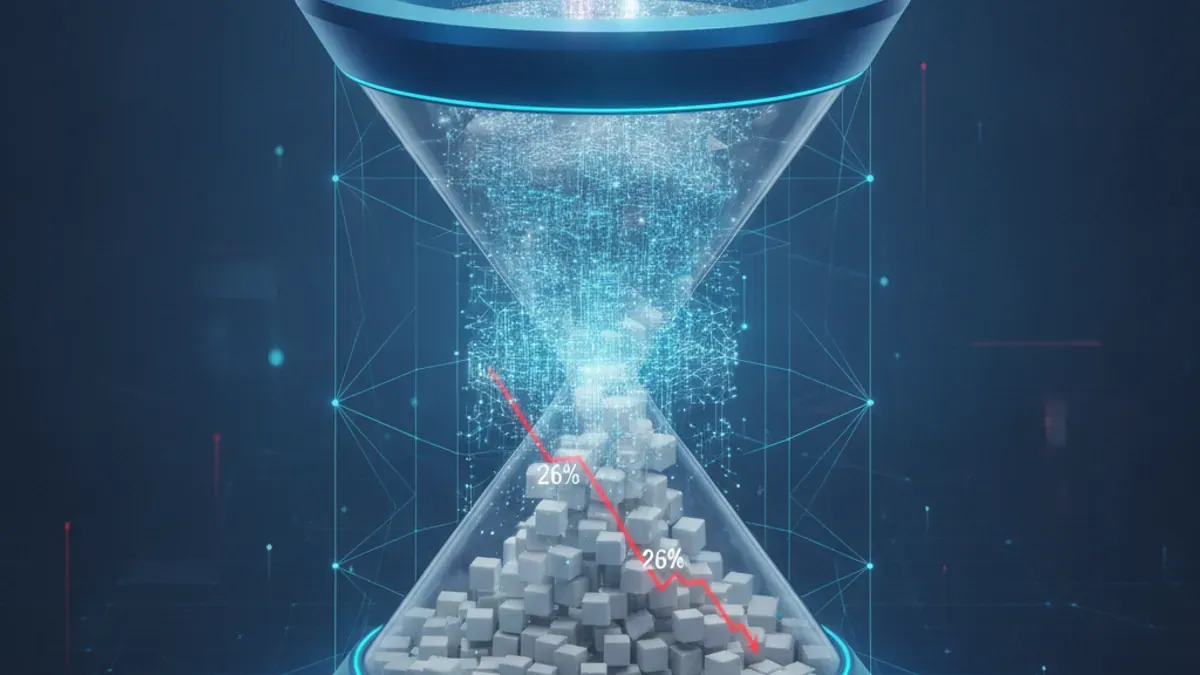
簡而言之:在短短14個月內,Anthropic的年化收入從10億美元激增至200億美元——這是一個在企業軟體歷史上從未發生過的20倍增長曲線。那200億美元來自哪裡?它直接來自企業薪資。但如果你看看失業率,似乎沒有人失去工作。為什麼?因為人工智慧革命並不是由大規模裁員所定義的;而是由靜默的招聘凍結所定義的。中產階級的大門正悄然為下一代白領工作者鎖上。
這裡是James,Mercury Technology Solutions的執行長。 東京,日本 - 2026年3月7日
如果你想了解目前全球經濟發生了什麼,你只需要看看Anthropic在過去一個月內發布的兩組數據。
第一組數據是他們的營收增長,這打破了所有已知的商業物理法則。第二組數據是關於他們的人工智慧(Claude)在現實勞動市場上實際使用情況的內部研究。
當你將這兩組數據放在一起時,它描繪了一幅白領工作的未來令人不安的畫面。人工智慧革命並不是以大規模裁員的轟鳴聲到來,而是以靜默關閉一扇門的方式到來。
第一部分:不可能的20倍增長曲線
讓我們確定我們所目睹的金融異常的規模。
在2024年12月,Anthropic達到了10億美元的年化營收。到2026年3月(僅僅14個月後),這個數字達到了200億美元。 [1]為了讓這一點更具體:SaaStr分析了200多家頂尖科技公司的IPO數據,並得出結論,這種增長速度是前所未見的。 [2] Netscape花了兩年時間從100萬美元增長到3.46億美元。Zoom在2020年疫情高峰期間增長了4倍。但Anthropic在一年多的時間裡,將已經龐大的基數(10億美元)增加了20倍。
To put this in perspective: SaaStr analyzed IPO data from over 200 top tech companies and concluded that this speed of growth has never been seen before. [2] Netscape took two years to grow from $1M to $346M. Zoom grew 4x during the peak of the 2020 pandemic. But Anthropic took an already massive base ($1B) and 20x'd it in just over a year.
這筆錢是真的嗎?是的。這不是每月20美元的消費者訂閱費用(像是OpenAI早期的情況)。Anthropic的每位用戶平均收入(ARPU)為211美元。[1] 十大財富公司中有八家正在使用Claude。這筆錢來自於將人工智慧深度整合到核心業務運作中的大型企業合約。
但這裡有一個黑暗的現實:這200億美元並不是新創造的經濟價值。其實其中一大部分只是資本從白領薪資中轉移出來。
第二部分:「觀察到的暴露」現實檢查
那麼,如果200億美元的人力勞動已經外包給人工智慧,為什麼街上沒有數百萬人抗議?
為了解答這個問題,Anthropic的研究人員最近發表了一篇論文,測量「觀察到的暴露」——這意味著他們不是僅僅猜測人工智慧可以做什麼;他們查看了Claude實際的日誌,了解它目前的運作。could do; they looked at the actual logs of what Claude is在這些財富 10 強公司內部的工作。 [4]
以下是他們對於最「暴露」工作的發現:
- 電腦程式設計師:74.5% 的日常任務目前由 Claude 執行。
- 客戶服務代表:70.1%
- 資料輸入員:67.1%
- 財務/投資分析師:57.2%
(相對而言,零接觸的工作完全是體力勞動:廚師、技工、救生員、洗碗工)。
但儘管程式設計師的74.5%任務已被自動化,研究人員卻發現了一個巨大的悖論:這些高接觸角色的失業率並沒有系統性上升。 [4]
第三部分:靜默封鎖(白領工作的未來)
如果「人工智慧正在執行工作」,那麼為什麼人類不被解雇?因為「靜默封鎖」。AI is doing the work, why aren't the humans being fired? Because of the Silent Lockout.
研究人員發現,儘管目前的員工(暫時)仍然保有工作,22至25歲的求職者進入這些高風險職業的招聘率自ChatGPT推出以來已下降了14%。 [4]
公司並沒有解僱他們的資深開發人員或資深財務分析師。這些資深員工只是利用人工智慧使自己變得更有效率,提升了10倍的生產力。因此,公司不再需要從大學招聘五名初級分析師來處理數據。資深分析師只需將數據輸入Claude。
這根本打破了傳統的企業晉升階梯。在過去70年裡,協議是:你大學畢業後,做五年的無聊、重複的「基層工作」,學習行業知識,然後晉升到中層管理。
人工智慧徹底消滅了「基層工作」這一層級。如果沒有初級職位來培訓下一代,22歲的年輕人又如何能成為資深主管?白領中產階級的大門正從裡面鎖上。
(不幸的是,數據顯示這對受過高等教育的女性影響尤為嚴重,她們在這些高風險、知識型職位中的比例遠高於男性)。 [4]
結論:唯一的出路
Dario Amodei(Anthropic 的執行長)最近表示,人工智慧將在幾年內消除 50% 的初級白領工作。[3] 他之所以知道這一點,是因為他的客戶正在積極支付他 200 億美元來實現這一目標。(還有 Mercury)
如果你是一位年輕專業人士,或者如果你在 2026 年管理一個團隊,你必須意識到「學習一門技藝」(如編程或數據輸入)的舊範式已經死了。
白領工作的未來完全屬於編輯和建築師。你將不會因為產生原始輸出而獲得報酬。你將因為你的品味、你的戰略判斷,以及你能夠面對人工智慧產生的大量輸出,自信地說:「這是錯誤的。調整這個變數。執行。」
人工智慧革命今天不會奪走你的工作。但如果你不從「生產者」轉型為「架構師」,明天它絕對不會雇用你。
Mercury Technology Solutions:加速數位化。
來源: [1] Anthropic 系列 G 公告(2026年2月) [2] SaaStr 市場分析報告 [3] Dario Amodei, Dwarkesh Patel 播客(2026年2月) / 達沃斯世界經濟論壇(2026年1月) [4] Massenkoff & McCrory(2026年)。「人工智慧對勞動市場的影響:一項新指標及早期證據」,Anthropic。[5] Eloundou 等人(2023年)。「GPTs 是 GPTs」,arXiv。