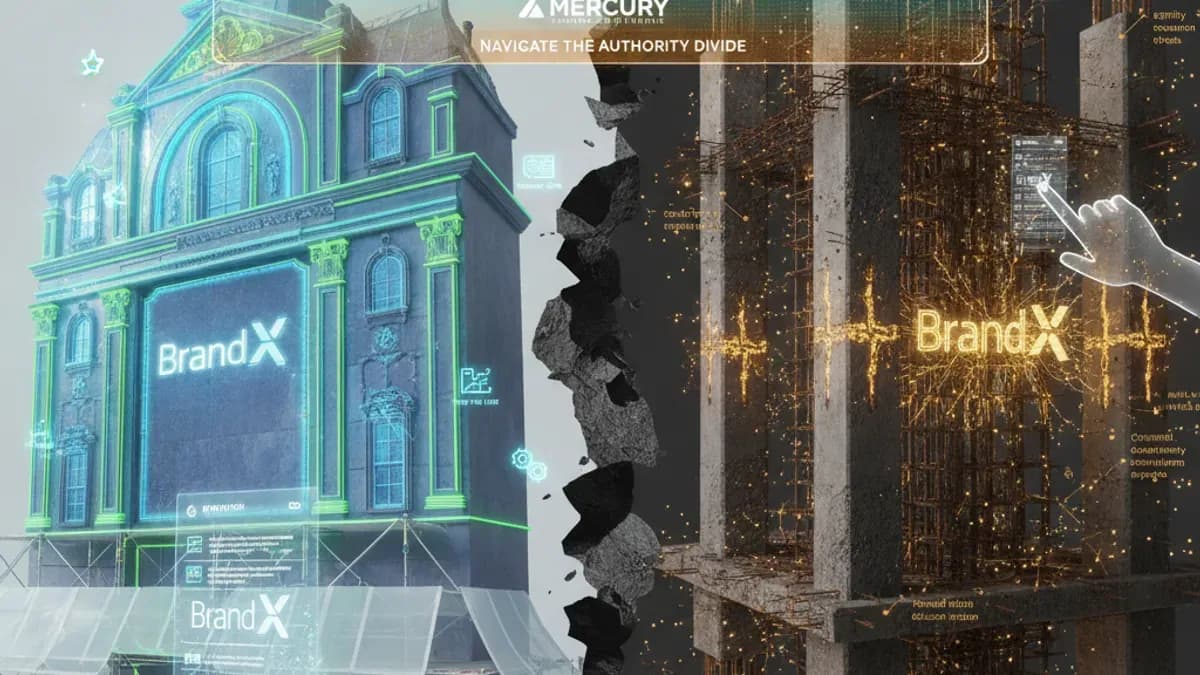
簡而言之:每個在風險投資 Twitter 上的人都在分析開源人工智慧代理 "OpenClaw" 的病毒式爆發,而幾乎每個人都理解錯誤。其底層技術並不本質上 "創新",而且它的成功並不是因為它有 WhatsApp 遙控功能。OpenClaw 的成功在於它在系統整合方面達到了大師級的水平:它通過結合 Opus 4.6 模型、積極的記憶管理和完整的作業系統根存取,猛烈地消除了人類意圖與機器執行之間的摩擦。市場上現在充斥著各種分支(NanoClaw、Nanobot、Knolli AI)試圖 "修復" 其可怕的安全缺陷。但在系統工程中,每個安全協議都會增加摩擦。以下是如何在 2026 年導航碎片化的 人工智慧代理的格局。
我是 James,Mercury Technology Solutions的首席執行官。
香港 - 2026年3月13日
如果你現在花時間在科技論壇或產業的Slack上,你會看到無數的討論串讚揚OpenClaw是自動代理架構的「革命性」突破。
讓我們坦白說,撇開行銷炒作,來看看基礎程式碼。驅動OpenClaw的技術並不新穎。
媒體聲稱OpenClaw之所以引起熱潮,是因為它具備一個訊息應用程式的遙控介面。這完全是錯誤的觀念。這個概念已經存在多年;我在2023年時實際上為自己的個人使用開發了一個WhatsApp到AI的遙控腳本。
OpenClaw的魔力不在於遙控。魔力在於徹底消除了使用者的「摩擦」。1. OpenClaw成功的聖三位一體OpenClaw之所以成功,不是因為華麗的使用者介面。它的成功在於創造者彼得在科技歷史的正確微秒內組合了三個特定的元素:
2025年11月的轉折點(Opus 4.6):
OpenClaw didn't win because of a shiny UI. It won because Peter (the creator) assembled three specific elements at the exact right micro-second in technological history:
- The November 2025 Inflection Point (Opus 4.6):OpenClaw 正好在基礎 LLM 基礎設施終於趕上人類期望的時候推出。Anthropic 的 Opus 4.6 跨越了 "聰明" 的關鍵門檻。在此之前,你必須像程式設計師一樣提示代理。Opus 4.6 從一條草率的、半寫的簡訊中推斷你的隱含意圖。這讓 AI 感覺像是它 "認識" 你。防彈記憶管理:2025 年之前代理的致命缺陷是數位健忘。OpenClaw 實施了一種高度積極、持久的記憶架構。AI 簡直 "不會" 失去上下文。當機器記住你三天前提到的限制時,真正的 "數位員工" 的幻覺就實現了。
- 跨越安全的盡頭 (絕對控制): The fatal flaw of pre-2025 agents was digital amnesia. OpenClaw implemented a highly aggressive, persistent memory architecture. The AI simply won't lose context. When the machine remembers a constraint you mentioned three days ago, the illusion of a true "digital employee" is realized.
- Crossing the Security Rubicon (Absolute Control):這是有效載荷。多年來,開發者將代理程式保留在安全、受限的沙盒中,需要人類的許可才能執行程式碼。彼得看到了這種摩擦並將其刪除。OpenClaw 允許人工智慧對電腦的作業系統擁有完全、不受限制的根權限。你要求它做某件事,它就會接管滑鼠、終端機和檔案系統來執行。
2. 安全悖論與模仿者的墳場
我們無法討論 OpenClaw 的天才而不提到它背後那個巨大的、閃亮的紅色靶子。將一個自主實體賦予對你本地機器的絕對控制權是一場「網路安全噩夢」。這是終極的雙刃劍。因為 OpenClaw 是開源的,底層技術並不是秘密。市場瞬間被分支版本淹沒。但這些克隆並沒有取代 OpenClaw,而是使市場變得更加分散。為什麼?因為克隆開發者試圖「修復」OpenClaw 的安全風險。但每次你添加一個安全協議,就會增加摩擦。試圖讓 OpenClaw「安全」,他們卻扼殺了最初讓它病毒式傳播的魔力。
3. 大解構:人工智慧代理決策矩陣
並不存在所謂的「完美」人工智慧代理—只有系統性的權衡。你必須決定你的組織是否優先考慮無摩擦的執行、絕對的安全性、程式碼透明度或數據主權。
為了讓這對你的工程和運營團隊立即可行,我已將分散的 OpenClaw 生態系統提煉成一個明確的戰略矩陣。
There is no such thing as a "perfect" AI agent—there are only systemic trade-offs. You must decide whether your organization prioritizes frictionless execution, absolute security, code transparency, or data sovereignty.
To make this immediately actionable for your engineering and operations teams, I have distilled the fragmented OpenClaw ecosystem into a definitive strategic matrix.
- 為了最大安全性與隔離(NanoClaw 或 Moltworker): * 系統性權衡(高摩擦): 透過強制所有操作進行 Docker 容器和權限閘道,您失去了無縫執行的能力。
- 為了隱私與本地優先執行(ZeroClaw 或 PicoClaw): * 系統性權衡(低智慧): 透過不使用雲端並將代理進行空氣隔離,您失去了進行 Opus 4.6 級推理所需的大量計算能力。
- 為了程式簡單性與審計(Nanobot): * 系統性權衡(僅限開發者):這對於閱讀和修改(約4千行程式碼,原生MCP)非常出色,但缺乏非技術性最終使用者所需的即插即用的精緻度。
- 針對企業級治理(Knolli AI): * 系統性權衡(自由的喪失):你獲得了審計追蹤和基於角色的存取控制(RBAC),但你扼殺了使代理程式病毒式傳播的開放式創意自動化。
- 針對零設定雲端便利性(Manus AI): * 系統性權衡(企業控制):你獲得了即時的高效能協助,但你將資料擁有權和執行環境交給Meta的伺服器。
4. 開源護城河(為什麼 OpenClaw 仍然佔據領先地位)
儘管有這些專門的替代方案,OpenClaw 仍然因其社群護城河而保持主導地位。首個推出具備良好使用體驗的產品成為了默認標準。
社群圍繞它建立基礎設施。例如,我開發了mod-openclaw.mtsoln.com——一個允許用戶快速且輕鬆提升其 OpenClaw 部署的工具,而無需重建核心架構。持續的社群驅動升級使 OpenClaw 保持在重力中心,而專門的分支則圍繞它運行。
結論:選擇你的毒藥
如果你錯誤配置了一個像 OpenClaw 這樣強大的工具,你不僅僅是在創造一個錯誤;你是在為你的個人或企業基礎設施打開一個巨大的漏洞。這個工具的成功直接建立在極大的危險之上。
你必須選擇你的毒藥:你想要 OpenClaw 的危險、無摩擦魔法?NanoClaw 的容器化摩擦?還是 Knolli AI 的企業治理?你不能擁有三者。
Mercury Technology Solutions:加速數位化。